
A function room layout works when guests can move naturally between arrival, drinks, seating, speeches, food service, dancing, outdoor areas, and exit points without crowding or confusion. Floor space matters, but guest flow matters more because the same room can feel open or cramped depending on how it is set up. For people comparing function rooms in Melbourne's west, the useful question is not just 'how many people fit?' but 'how will the event move?'
A room can look strong in photos and still feel awkward once guests arrive. Tables, a dance floor, prams, entertainment, supplier movement, and quieter seating all change the room. Test that during the venue tour, before the booking is locked in.
Why guest flow matters more than floor space
Guest flow is the way people move through an event from arrival to departure. It covers the entrance and exit, but also smaller movements: finding a drink, reaching a table, hearing speeches, moving to the dance floor, and stepping outside for air or photos.
Published capacity numbers do not tell that full story. A room that technically fits 100 people can still feel tight if the seating blocks the main pathway, the dance floor cuts off access to the bar, or guests have to cross the room during speeches. The layout has to suit the event, not just the head count.
A 100-person cocktail event needs different movement from a 100-person seated dinner. Cocktail guests need room to circulate. A seated dinner needs space around tables. A wedding or engagement party needs clear sightlines for speeches and photo moments. A corporate function needs a clean arrival point and room for people to network without blocking the entrance.
Mixed-age functions add another layer. A milestone birthday might include grandparents, young families, friends, and guests who want to dance later. If every chair is near the speaker or every pathway runs through the dance floor, some guests will leave earlier than planned.
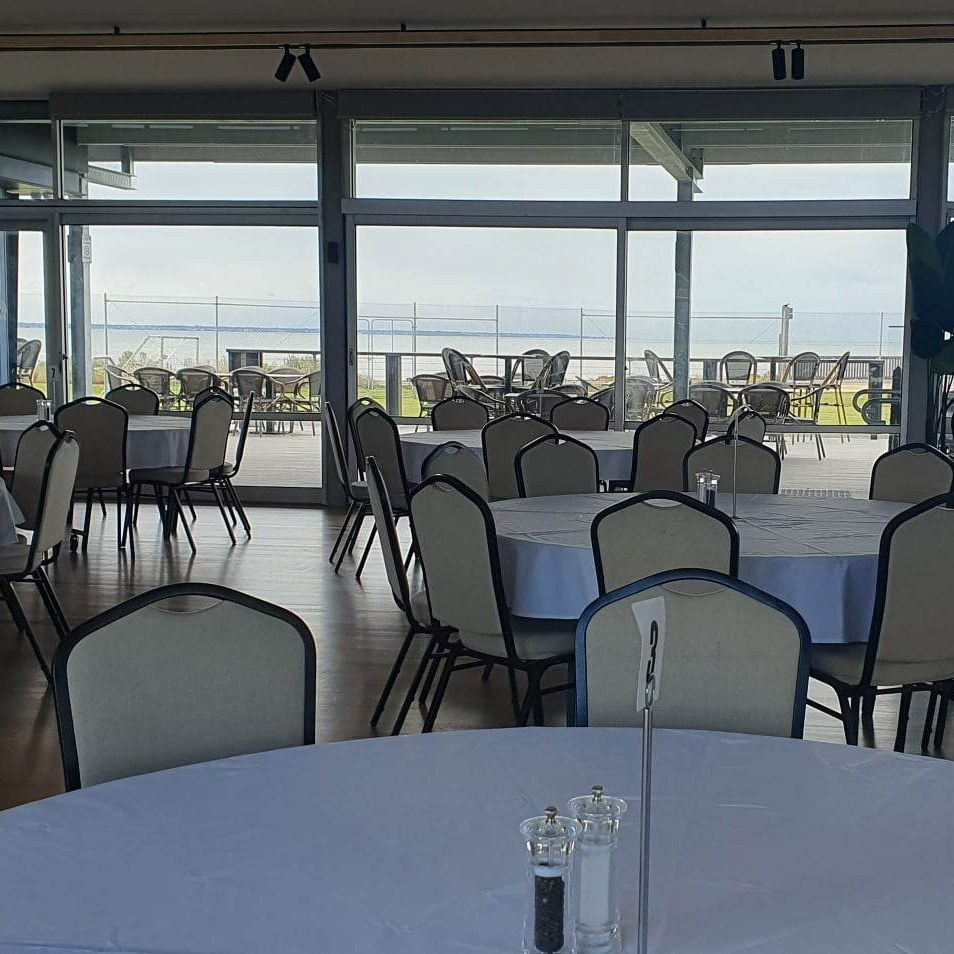
How to test a function room layout on a venue tour
A venue tour should be walked in the order guests will use the space. Do not only stand at the doorway and judge the room from one angle. Walk the event sequence as if the night is already happening.
- Arrival: Where will guests enter, and will the first few minutes feel clear? Look for an obvious welcome point, not a doorway that drops guests into tables or a queue.
- Drinks: Where will drinks be served, and could a queue block the main path? People should be able to wait without stopping movement across the room.
- Speeches: Can guests at the back see and hear the speaker? Check whether posts, table positions, the dance floor, or doorways cut across the speech area.
- Dance floor: Is the dance floor part of the event, or pushed into a corner where it feels separate from the room?
- Quieter seating: Can older guests or guests who do not want loud music sit away from speakers?
- Families and mobility: Is there sensible space for prams, children, mobility aids, and guests who need clear paths?
- Supplier access: Can the DJ, band, cake supplier, florist, photographer, or other suppliers enter and set up without crossing the main guest area at the wrong time?
- Outdoor movement: Does the outdoor area help the event, or is it only useful for photos? Check whether guests can move there naturally without leaving the function feeling split.
- End of night: How will guests leave, find transport, and reach their cars? The final 15 minutes matter.
The aim is not to find a room with no compromise. Every room has trade-offs. The aim is to know which trade-offs matter for your event before you book.
Function room layouts by event type
Different event types put pressure on different parts of a room. Use this table to compare private function rooms Melbourne event organisers are considering.
| Event type | Layout pressure point | What to check | Common mistake |
|---|---|---|---|
| Wedding reception | Speeches, dance floor, and photo moments | Sightlines, space around tables, entertainment position, and wet-weather movement between indoor and outdoor areas | Booking based only on maximum capacity |
| Engagement party | Mingling and drinks | Drinks flow, standing space, seating pockets, and a clear speech point | Too much fixed seating for a social event |
| Milestone birthday | Mixed ages and music | Quieter seating, access to the dance floor, and a simple path to exits and bathrooms | Treating all birthdays like nightclub-style parties |
| Corporate function | Networking and arrivals | Entry flow, registration or name tag area if needed, presentation position, and drinks queue | Using theatre-style seating for a social or networking event |
| Community or family function | Prams, children, and older guests | Clear paths, quieter seating, easy bathroom access, and room for people to move in small groups | Assuming open space solves every layout issue |
This is why a single capacity number is not enough. Two events can have the same guest count and need different setups.
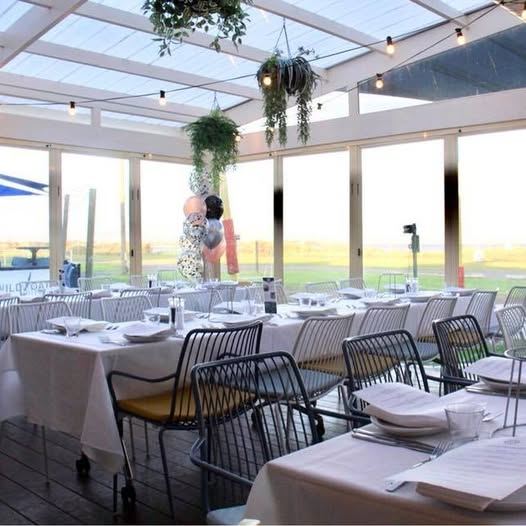
The layout questions to ask before booking
The best layout questions are plain and practical. Ask them before paying a deposit, then ask to see photos or examples where the venue has handled a similar event.
- What layout will the room be set in for my guest number?
- Where will the DJ, band, or speaker go?
- Where will speeches happen?
- Can guests move to an outdoor area during the event?
- Where do suppliers enter and set up?
- What happens if the weather changes?
- How much space is left once tables and the dance floor are in place?
- Can we see photos of similar events in this layout?
- Is the room exclusive to our event?
- Where will guests park and enter?
A useful answer will be specific to your guest number, event type, and timing. A vague answer may mean the room has not been tested against your event sequence.
What to look for in function rooms in Melbourne's west
Function rooms in Melbourne's west often serve guests from Altona, Williamstown, Laverton, Point Cook, Werribee, Newport, and nearby suburbs. For that kind of event, arrival and departure matter as much as the room itself.
Many guests will drive from different parts of the western suburbs. On-site parking can reduce friction at the start of the event, especially for evening functions and mixed-age groups. Clear arrival instructions also matter. If guests are unsure where to enter, they can bunch at the doorway or interrupt the first part of the event.
A bayside setting can help with photos, pre-event arrival, and the feel of the occasion. It should still be treated as part of the event plan, not a substitute for a workable room. The room still has to support seating, speeches, food service, music, and guest movement.
Outdoor decks or adjoining outdoor areas should also be judged by flow. A useful outdoor area gives guests somewhere natural to move during arrivals, breaks, or quieter parts of the night.
Altona Sports Club's Waterfront Room as a worked example
Altona Sports Club's Waterfront Room is a useful worked example for people comparing function rooms Altona and nearby suburbs. The room is positioned on Port Phillip Bay, has recently undergone a complete renovation, and can accommodate guests on an exclusive basis.
The current functions page says the Waterfront Room has space for a dance floor, band and/or DJ. That matters because entertainment needs to be planned as part of the room, not added after tables have filled the floor.
The covered Alfresco Deck has seating and views of Port Phillip Bay. In layout terms, the deck should be considered as part of guest movement: where people go before formalities, between speeches, or during quieter parts of the night.
The venue also lists more than 100 car spaces. For function venues Melbourne west guests are likely to drive to, parking affects how comfortably people arrive and how simple the end of the night feels.
The useful details are the ones that affect movement. A private room, entertainment space, an outdoor deck, bay views, and parking matter because they shape how guests arrive, gather, move, and leave.
Function room layout questions people ask
A good layout supports the event sequence. Guests should be able to enter, find a drink, sit or mingle, watch speeches, reach the dance floor, move outside if available, and leave without confusion or crowding.
A room may be too small if pathways disappear once tables, entertainment, gifts, cake, prams, and service areas are added. Ask to see the setup for your guest number, not the empty room.
A cocktail layout is better when mingling is the main purpose. A seated layout is better when meals, speeches, formalities, or older guests need more structure. Many events need a mix of seating and open space.
The dance floor should feel connected to the event without blocking main paths. It should be close to the music and social centre, but not leave non-dancing guests with nowhere comfortable to sit.
Ask where guests enter, where drinks are served, where speeches happen, where suppliers set up, how outdoor areas connect, and what the room looks like once tables and entertainment are in place.
Booking a room that works on the night
Before booking, inspect the room with your event sequence in mind: arrival, drinks, food service, speeches, dancing, outdoor movement, and exit. Stand where your guests will stand. Sit where older guests may sit. Walk from the entrance to the speech point, dance floor, outdoor area, and exit.
To discuss how the Waterfront Room at Altona Sports Club could be set up for a private function, call 03 9398 2283, email functions@altonasportsclub.com.au, or use the function enquiry form on the functions page.


