
Planning an event in Melbourne usually begins with a short list of venues and a simple question: book a private room, or hire a venue designed for functions? The difference matters more than many hosts expect.
Restaurant group bookings, private dining rooms, club function spaces and dedicated event venues can all host celebrations. Each format works well in the right circumstances. Problems usually arise when the format does not match the type of event being planned.
Understanding how these options differ helps narrow the search and avoid awkward compromises later in the process.
Two different event formats
In Melbourne, many celebrations sit somewhere between a restaurant gathering and a full function event. The distinction affects how the evening unfolds.
- A restaurant group booking usually means a table or section reserved within the normal dining service. Guests order from the menu, and the venue continues operating as usual around them.
- A private function room is different. The space is set aside specifically for the event, allowing the host to control the flow of the evening and how the room is used.
The contrast becomes clearer when the practical details are laid out.
| Feature | Restaurant Booking | Private Function Room |
|---|---|---|
| Privacy | Shared space with other diners | Dedicated room for your group |
| Layout | Fixed tables | Flexible layout options |
| Entertainment | Usually not permitted | Music, speeches or DJ possible |
| Timing | Structured around dining service | Event schedule set by host |
| Guest movement | Seated dining | Standing, seated or mixed formats |
For smaller groups that want a relaxed meal, restaurant bookings work well. For celebrations that involve speeches, dancing or a changing pace during the night, a dedicated room often proves easier to manage.
Guest numbers change the equation
Guest numbers are usually the first practical factor that shifts the decision.
- Restaurant bookings are comfortable when the group size sits close to standard dining arrangements. Once the guest list grows beyond that, the space can begin to feel tight or fragmented.
- Function rooms are designed to handle larger groups with more flexibility.
A venue’s event space can accommodate different formats, including:
- seated dining for formal celebrations
- cocktail style gatherings with room to move
- presentations or speeches
- a dance floor or band setup
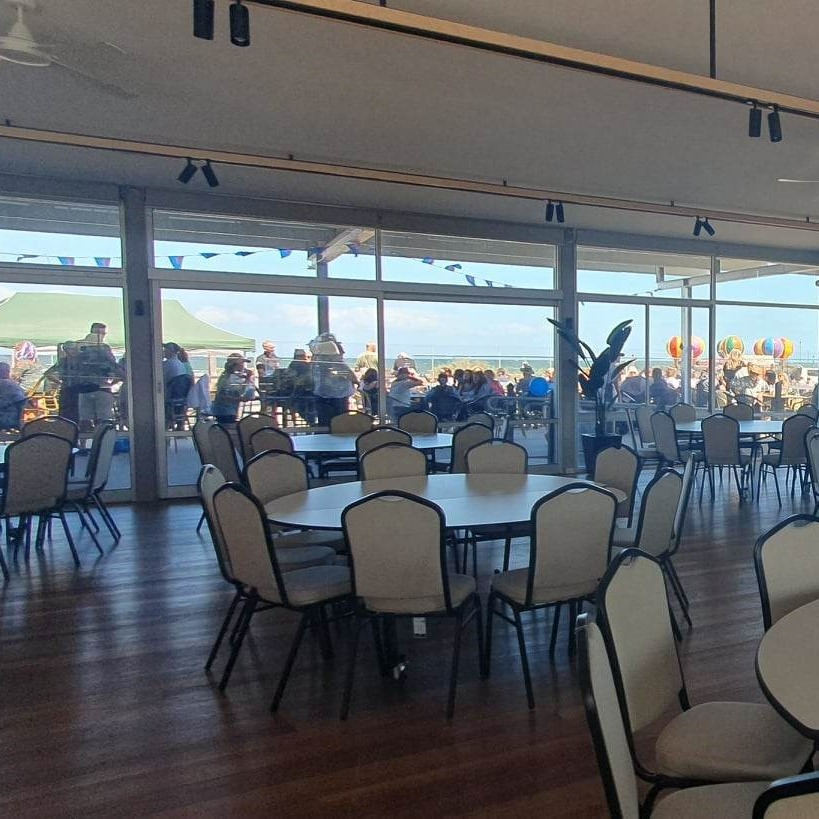
For example, the Waterfront Room at Altona Sports Club is built to support these different formats. The room opens onto a covered alfresco deck overlooking Port Phillip Bay and can be arranged to suit either seated events or standing celebrations.
Those options are difficult to replicate within a restaurant floor plan.
The role of privacy
Privacy often becomes the deciding factor once planning moves beyond the guest list.
Many hosts assume a restaurant group booking will provide a degree of separation from the rest of the venue. In practice, the level of privacy varies widely.
Even a semi-private dining area remains part of the broader restaurant environment. Background noise, nearby diners and general service activity continue around the group.
A dedicated function room offers a different atmosphere. Conversations carry more easily, speeches can be heard clearly and the host has greater control over how the event unfolds.
This difference becomes particularly noticeable during:
- engagement celebrations
- milestone birthdays
- wedding receptions
- corporate presentations
Events with speeches, music or formal moments usually benefit from a space where the room belongs to the event itself.
Flexibility during the evening
Events rarely follow the exact structure imagined at the planning stage.
Guests arrive at different times. Conversations shift across the room. Speeches run longer than expected. Someone suggests music. A few guests step outside for fresh air.
Function venues are designed with this kind of movement in mind.
Rooms typically allow for:
- changes between seated and standing arrangements
- space for a DJ or live music
- room for presentations or speeches
- access to outdoor areas or adjacent spaces
The Waterfront Room at Altona Sports Club, for instance, connects to a covered deck facing Port Phillip Bay. That layout gives guests room to move between indoor and outdoor areas during the event.
In contrast, restaurant bookings tend to follow the rhythm of the kitchen and service schedule. That works well for a structured meal but leaves less flexibility for events that evolve through the evening.
Entertainment and atmosphere
Music, speeches and informal entertainment often shape the atmosphere of a celebration.
Restaurants generally restrict amplified music or live entertainment during service. Even small speeches can feel awkward in a busy dining room.
Function rooms are designed to accommodate these elements more comfortably.
Typical event inclusions may allow for:
- background music or a DJ
- microphones for speeches
- a dance floor area
- room for a small band or performer
These features do not guarantee a better event, but they give hosts the option to shape the evening in ways that suit the occasion.
Logistics often matter more than décor
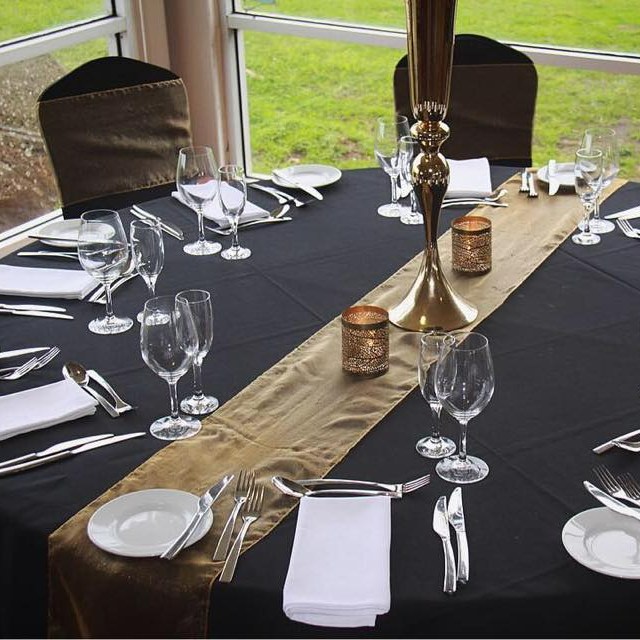
Venue decisions often focus on aesthetics at the start. Layout and logistics tend to matter more once the event begins.
Access, parking and guest arrival all influence the experience.
Many venues in Melbourne’s inner suburbs rely on street parking or nearby car parks. That arrangement can work well for smaller gatherings or areas well served by public transport.
Suburban venues often provide easier vehicle access for larger groups. At Altona Sports Club, the venue lists more than 100 car spaces, which removes one of the common friction points for guests travelling from across Melbourne.
Simple practical details such as this often shape the evening more than decoration or styling.
Matching the format to the event
There is no universal rule about which option works best. The decision usually comes down to the structure of the event itself.
A restaurant booking can suit:
- small celebrations centred on a shared meal
- groups comfortable with a lively dining environment
- events that do not require speeches or entertainment
A private function room often works better for:
- engagement parties
- milestone birthdays
- wedding receptions
- corporate celebrations or presentations
These events tend to involve movement, speeches or music, and they benefit from a space that can adapt during the evening.
A practical way to decide
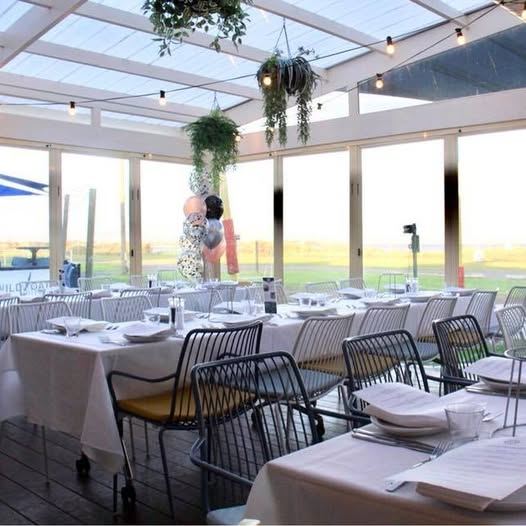
When comparing venues, it helps to ask a few direct questions early in the process.
- Will the event involve speeches or music?
- Do guests need space to stand and mingle?
- Will people arrive across a wide time window?
- Is privacy important for the atmosphere of the event?
- How will guests travel to the venue?
The answers usually point toward the right format.
For some celebrations, a restaurant table with good food and conversation is all that is needed. For others, the event itself becomes the centre of the evening, and the space must support that role.
Understanding the difference early makes the search for a venue far more straightforward.


