
You've booked four venue tours this month. Each one runs about an hour. By the third tour the rooms blur together, the venue managers' pitches sound the same, and you walk back to the car with a half-page of notes and a vague feeling you forgot to ask something important.
This is the briefing you'd give yourself if you'd already been through this once. When you're touring wedding reception venues in Melbourne's west, the difference between a good tour and a useful tour is knowing what to look at while the venue manager is talking, and which questions reveal whether the venue can do what they're selling you.
Before the tour: questions to ask before you turn up
Most couples line up five or six tours across their first few weekends. Half of those venues won't suit them, and they'll only realise once they're standing in the car park.
A short email or phone call before you book the tour saves both sides time. The questions worth asking up front are simple. Is your date available, or any nearby weekend you'd consider? What's the realistic comfortable capacity, not the maximum? Can the ceremony happen on-site? Do they hold weddings on Sundays, and if so, do they cost less than Saturdays? Are you locked into preferred caterers, drinks suppliers, or photographers?
If a venue can't answer those questions clearly in writing, the tour will probably feel the same way.

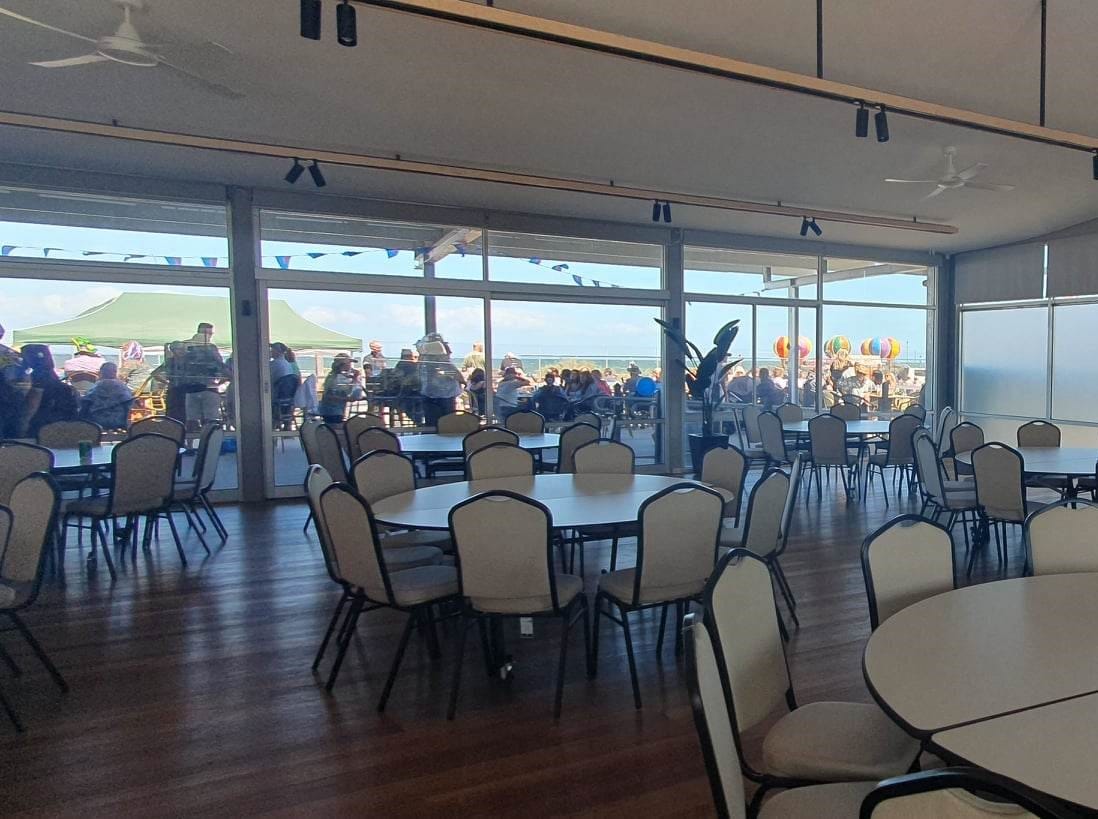
Walking in: what your guests will notice in the first 30 seconds
Most venue tours start in the reception room. They probably shouldn't.
The first thing your guests will experience is the arrival. Where do they park? How far is it from the car to the door? Is the path well lit, level, and obvious to find at night? If the venue is a 200-metre walk through a poorly lit car park, your aunt with the new hip will be the first to mention it.
Look at the entrance itself. Is there cover for guests waiting in rain? Is there a clear point where someone is greeted on arrival, or do they wander into a corridor wondering if they're in the right place? Ground-floor access matters more than venues admit. A flight of stairs between the car park and the room cuts off older guests, parents with prams, and anyone in heels who'd rather not test their balance.
The reception room: what to look at while the venue manager is talking
The venue manager will tell you the room's capacity. The number you want is the comfortable number, not the maximum.
A rough guide: a reception room rated for 100 guests holds 100 guests, but it feels tight. The same wedding in a 130-cap room feels comfortable. In a 200-cap room it feels sparse. If you're looking at venues with their official maximum at or near your guest count, scale down expectations or scale up the room.
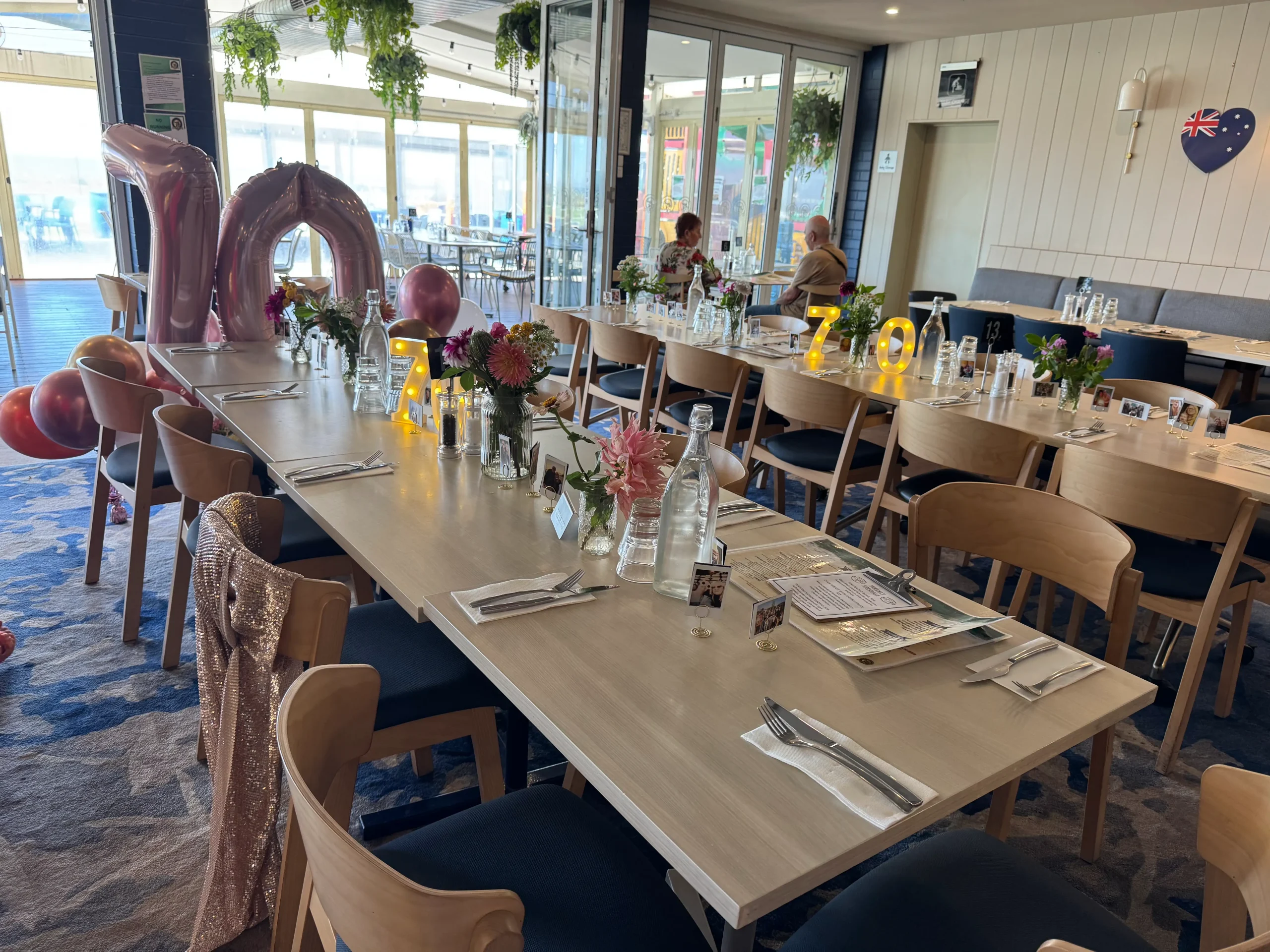
While the venue manager is talking, watch the room. Where will the dance floor go, and how does that affect the table layout? Can speeches be heard from the back tables? What does the room look like in plain daylight, with no draping, no uplighting, and no candles, because that's what you're hiring? Ceiling height changes how a room feels more than wall colour does. Natural light changes the photos.
Ask to see a current photo of a real wedding in the room, not the staging shots on the website. Most venues have one on their phone.
The practical stuff venues hope you won't ask about
This is where useful tours separate from polished ones.
Where does the wedding party get ready, and is it included or charged extra? How many bathrooms are there, and where are they relative to the reception room? Can the band or DJ load in their gear without dragging cables across the dance floor? If you're bringing your own caterer, is there real kitchen access, or just a bench and a kettle? Where do smokers go, and is it somewhere your guests would want to stand? Where do you store the gifts so they aren't sitting under a table for six hours?
Wet weather is its own conversation. Any venue with an outdoor element should have a clear, unprompted answer about what happens if it rains, and that answer should not involve relocating furniture in a panic 90 minutes before guests arrive. We'll cover wet-weather Plan Bs in a separate post next month.
The people you'll deal with between booking and the day
The person walking you through the venue is often not the person running your wedding.
Ask who your day-of coordinator will be. Will it be one named person from booking through to the day, or will you be handed off after the deposit lands? How quickly do they respond to emails between booking and the wedding? How many other weddings does the venue host in a typical Saturday, and will another wedding be running in a connected space on your day?
A venue that runs three weddings on the same day can still be excellent. But you should know that's the model before you sign.
The contract questions that catch couples out
Most couples sign the contract weeks after the tour, then realise they didn't ask half the things that mattered.
Bring these to every tour. Is there a separate ceremony fee on top of the reception package? Are you locked into preferred suppliers, or can you bring your own, and is there corkage if you bring your own drinks? What's the latest end time, and what's the overtime fee if the dance floor doesn't want to stop at 11? What happens to your deposit if you cancel, postpone, or shift to a smaller package? What happens if the room you booked is unusable on the day, for any reason, including the venue's own?
A venue with clean, confident answers to each of those is one to take seriously.
What's worth ignoring on the tour
Some things venues do during tours don't deserve your attention.
The 'we have another couple looking at this date' line is a sales tactic. It might also be true, but it shouldn't change your decision. The preferred-vendor list is a venue's recommendation, not a requirement, unless your contract says otherwise. The styled photos on the website are not what the room looks like on a Tuesday afternoon. The venue manager's enthusiasm tells you about them, not about whether the venue suits your wedding.
You're allowed to take a few days to decide. Any venue that won't hold a date for 48 hours after the tour probably has bigger problems than your decision speed.
A checklist for touring wedding reception venues in Melbourne's west
Print this and bring it to every tour, whether you're looking at dedicated wedding spaces or broader function venues in Melbourne's west. The questions don't change much from venue to venue. The answers do.
- Date availability and Sunday pricing
- Comfortable capacity vs official maximum
- Ceremony on-site option and any extra fee
- Parking ratio (one space per two to three guests is the standard)
- Path from car park to entrance, including accessibility
- Wedding-party getting-ready space, included or extra
- Bathroom number and location relative to the reception room
- Catering arrangements: in-house, BYO, or preferred-supplier list
- Bar setup and corkage on BYO drinks
- Storage for gifts and personal items
- Wet-weather Plan B for any outdoor element
- Day-of coordinator: one named person or rotating staff
- Number of other weddings on the same day
- Latest end time and overtime fee
- Deposit, cancellation, and postponement terms
For context, the Waterfront Reception Room at Altona Sports Club, recently renovated and overlooking Port Phillip Bay, is one example of a venue with ground-floor access, more than 100 car spaces, and a covered alfresco deck for wet-weather flexibility. It runs a 30 to 150 guest range. Other wedding reception venues in Melbourne's west solve these problems differently. The point of the checklist is to compare them on the things that matter to you, rather than on the things they choose to talk about.
Your next step is to book the tour, not the venue. Walk through three or four spaces with this checklist in hand and let the answers do the comparing. If you'd like to walk the Waterfront Reception Room with a coordinator, you can request a tour through the Altona Sports Club functions team.


