Timing Could be the Biggest Event Planning Risk of 2026 

New Australian booking patterns show hosts are leaving venue decisions later, often with unintended consequences.

Australian event planning has changed. Industry tracking from venue operators and event publications shows that around 60 percent of event venues are now booked within six months of the event date, with roughly one third secured inside just three months. Long lead times, once considered standard practice, are now uncommon.

At the same time, demand has not eased. Victorian hospitality and experience bookings recorded strong year-on-year growth through 2025, outpacing several other states. More people are hosting events, but they are committing later. The combination has made timing one of the most underestimated risks in modern event planning.

What has changed in how people plan events?

For years, booking early was a default assumption. Engagements, birthdays and corporate functions were often planned nine to twelve months ahead. That approach has given way to shorter planning horizons driven by flexible work patterns, shifting social calendars and the expectation that options will still be available.

What the data shows, however, is that availability now tightens much earlier than many hosts expect.

Typical booking windows today

Time before eventShare of bookings
0–3 months~30–35%
3–6 months~25–30%
6–12 months~25%
12+ months~10–15%
Shorter timelines have become normal, but they come with trade-offs that are not always obvious at the start.

Why timing affects outcomes, not just availability

Leaving venue selection late does not always mean missing out entirely. More often, it means compromising.

Common consequences include:
  • Reduced choice of room size or layout
  • Less flexibility with catering formats
  • Fewer options for peak dates and time slots
  • Tighter bump-in and bump-out windows
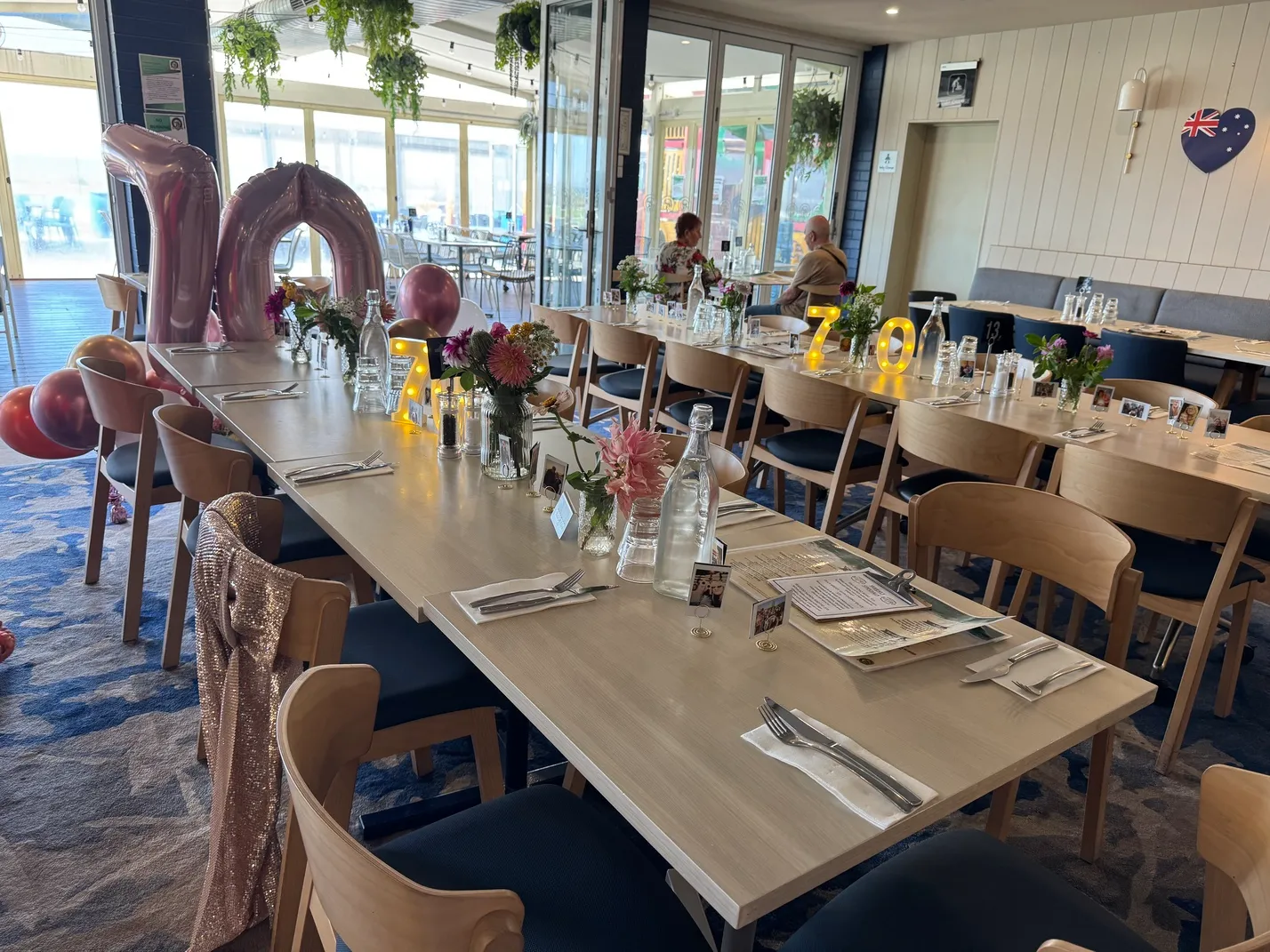
For hosts planning milestone or mixed-age events, these constraints can significantly shape the experience for guests.

Demand in Victoria makes timing more sensitive

Victoria’s strong events market has amplified this effect. Local demand means popular suburban venues often fill before hosts begin active planning. This is particularly noticeable outside the CBD, where venues that combine accessibility, parking and adaptable spaces are in limited supply.

At venues such as Altona Sports Club, enquiry patterns increasingly cluster closer to event dates, while peak periods continue to book out well in advance. The result is a mismatch between expectations and reality.

The hidden cost of booking late

Timing risk is often framed as a logistical issue, but it also has financial implications.
Area affected Earlier booking allows Late booking often means
Pricing Greater flexibility Fewer negotiable options
Catering Menu customisation Limited formats
Room configuration Tailored layouts Fixed setups
Staffing and service Planned flow Standardised service
Earlier commitments allow venues to plan properly. Later bookings rely on what is still possible.

Experience-led events raise the stakes

Another factor is the shift toward experience-led events. Rather than focusing only on room hire, hosts are prioritising atmosphere, guest movement and interaction.

These elements depend heavily on:
Room proportions and natural light
Access to outdoor or waterfront areas
Noise separation between spaces
Flow between dining, speeches and social time
When booking windows shrink, matching an event’s intent to the right physical space becomes harder.

What first-time hosts often underestimate

Many people assume competition only applies to weddings or large corporate events. In reality, medium-sized functions often compete for the same rooms and dates.

Events commonly affected include:
  • Engagement parties
  • Milestone birthdays
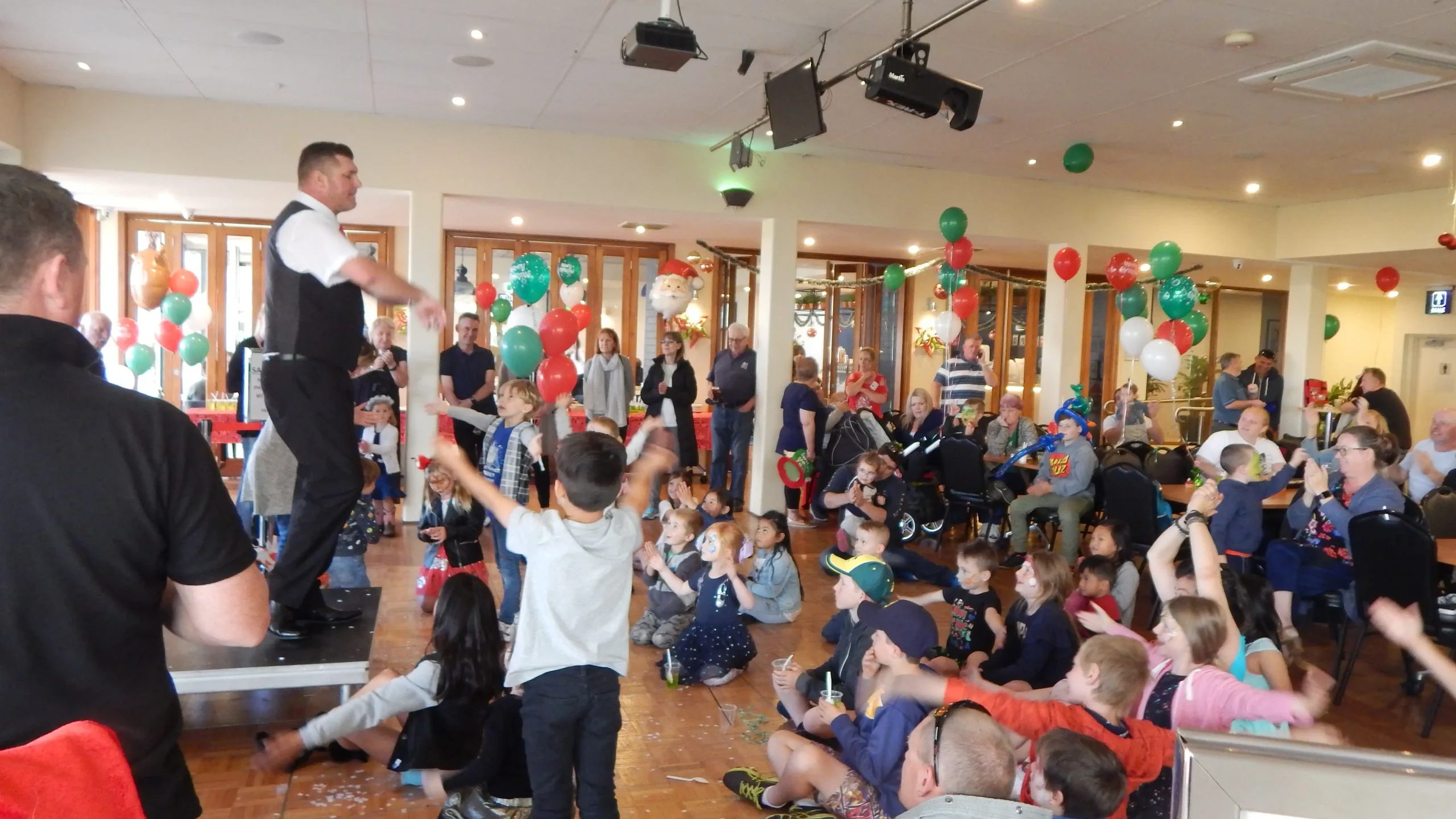
  • Community celebrations
  • Business and team functions
Without early commitment, hosts may find that the most suitable options are already allocated.

Rethinking timing as a planning decision

Modern event planning does not require locking in every detail far in advance. It does require recognising that venue selection anchors everything else.

Securing the right space earlier allows:
More choice elsewhere in planning
Less pressure on decision-making
Better alignment between event goals and venue features
In a market where most bookings now occur inside six months, timing has become a central planning consideration rather than a background detail.

A subtle but growing risk

Timing rarely appears on event checklists. Budgets, guest numbers and menus dominate early discussions. Yet current Australian booking patterns show that when venue decisions are delayed, the impact tends to surface later, when flexibility is already gone.

As demand remains strong and planning windows continue to compress, timing has become one of the most significant — and least discussed — risks in event planning today.

Further Reading

According to a 2025 industry survey of venue operators and planners, about 60 % of event venues are now booked within six months of the event date, with around one third secured within three months — showing a marked shift toward shorter planning windows in the event sector.

https://mice.net.au/new-trends-report-shows-short-booking-times-and-uncertainty-over-budgets

Frequently Asked Questions about Timing and Event Planning

For popular dates, six to nine months remains a safer window. While many bookings happen later, earlier commitment offers more choice and flexibility.

Yes. Weekdays often provide more availability and sometimes better pricing, particularly for corporate or social functions.

It can. Early bookings often allow greater flexibility around packages, menus and room configuration.

No. Medium-sized social events are often most affected, as they rely on adaptable spaces that book out quickly.

In many cases, yes. Suburban venues serving strong local demand often have fewer comparable alternatives nearby.

Underestimating how quickly suitable venues are allocated, especially during peak seasons.

What Our Customer Say

Become A member

Becoming a member of Altona sports club is easy and has so many benefits.

Trading Hours

Monday
10:00am – 12:00am
(Bistro Closed)
Tuesday
10:00am – 11:00pm
Wednesday - Thursday
10:00am – 12:00am
Friday
10:00am – 1:00am
Saturday
10:00am – 1:00am
Sunday
10:00am – 11:00pm
© 2026 Altona Sports Club. All rights reserved.
Website by CJ Digital