
One of the first questions people ask when planning an event is how many guests the venue can hold. It is a reasonable starting point, but it is not the whole story.
Capacity numbers tell you how many people can fit in a room. They do not tell you how the room will feel once everyone arrives, takes their seat, stands for speeches or gathers near the bar.
A room that technically fits the guest list can still feel cramped if the layout does not allow people to move comfortably. A space that is too large can create the opposite problem. Guests spread out, conversations fragment and the room loses energy.
Working out the right amount of space is less about the maximum capacity printed on a brochure and more about how the event will actually unfold.
Start with the type of event
Different events use space in different ways.
A formal seated dinner keeps most guests at their tables for much of the evening. A cocktail-style celebration encourages people to stand, move around and talk with different groups. Corporate events often combine seated presentations with mingling before and after.
Before comparing venues, it helps to decide what the event will look like in practice.
- Seated dining for weddings or formal celebrations
- Cocktail-style gatherings where guests stand and circulate
- Mixed-format events that combine seating with mingling
- Presentation-style events with a clear focal point for speakers
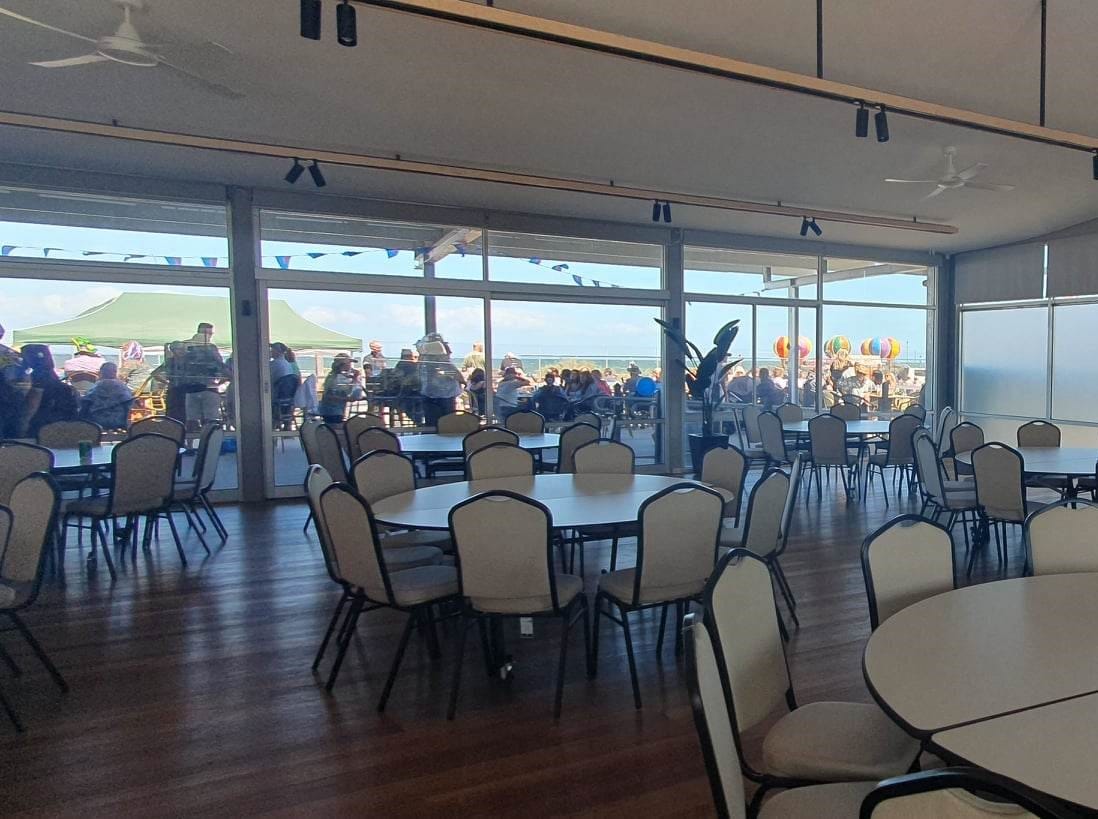
Guest movement changes everything
People rarely stay in one place at an event. Guests arrive in waves, greet friends and move between tables. Later in the evening they gather for speeches or drift toward the dance floor.
When inspecting a venue, imagine the room in motion rather than empty. Consider where guests gather on arrival, how people move between tables and what happens once everyone stands up after dinner.
Consider how the room changes later in the night
Events rarely stay in the same format from beginning to end. A wedding reception may begin with dinner and move toward dancing. A milestone birthday might start with speeches before the music takes over.
The room needs to support those changes.
- Space for a dance floor
- A clear area for speeches
- Room for a DJ or small band
- Enough open space for guests to stand and mingle later
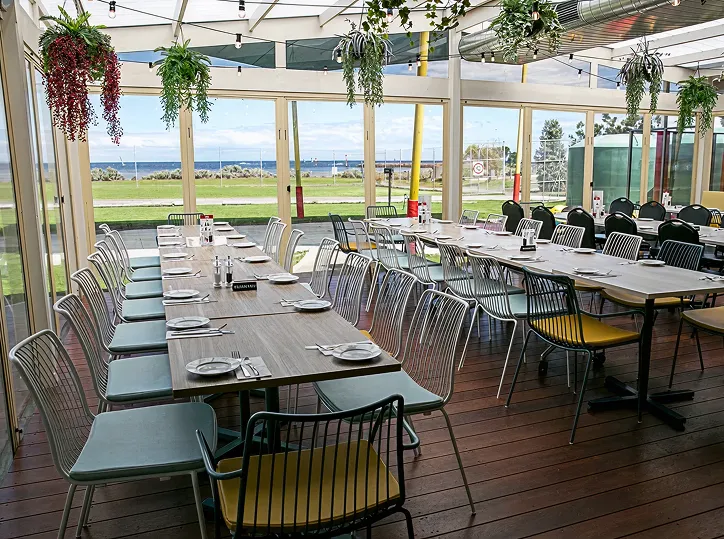
Capacity numbers tell only part of the story
Venue listings often focus on the maximum number of guests a room can accommodate. In reality, the more useful number is how comfortably the space works at your expected guest count.
| Event format | Space considerations |
|---|---|
| Seated dinner | Table spacing, service access, sightlines for speeches |
| Cocktail event | Open floor space, circulation paths, bar access |
| Wedding reception | Dining layout plus dance floor later in the evening |
| Corporate presentation | Clear focal point and seating orientation |
Frequently Asked Questions
Start with the guest list and the type of event you are planning. Seated dining requires table space and service paths, while cocktail events need more open floor area for circulation.
Not always. A room that is too large can feel empty and reduce the atmosphere of the event. It is usually better to choose a space that suits the expected guest count and event format.
Guests should be able to move their chairs comfortably and walk between tables without difficulty. Adequate spacing also allows staff to serve food and drinks efficiently.
If music or dancing is planned later in the evening, the venue should have an area that can be cleared or designated for that purpose without disrupting the rest of the room.
Layout determines how easily people can move through the room, whether speeches are visible and how the space transitions between dining, speeches and entertainment.
An adjoining outdoor area can make the event feel less crowded and give guests somewhere to step away briefly while remaining part of the celebration.