
Across Melbourne’s west, gatherings look different to the ones held in the centre of the city.
They follow a different pace. They draw from broader age ranges. They unfold across longer afternoons and evenings rather than within tight one hour blocks. The modern function room is adapting to this shift quietly, shaped by the way local families, clubs and community groups now come together. The change is not dramatic, but anyone who attends events in the region can sense it.
This transformation has less to do with décor or menus and more to do with how people move, settle and use the space. Venues in the west are taking cues from these patterns and designing rooms that respond in kind.
Why the west gathers differently
The western suburbs rely on a blend of coastline, open space and long established neighbourhoods. These surroundings influence how events work.
These rhythms encourage venues to move away from rigid layouts and toward flexible room designs that can shift around the day.
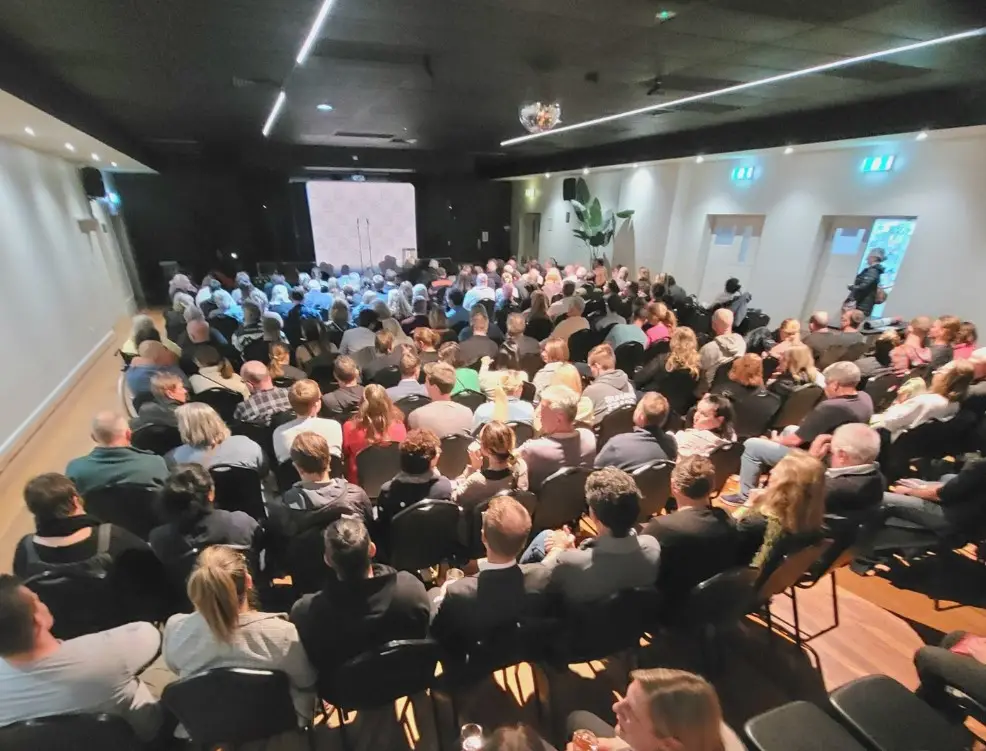
A comparison with inner city function spaces
| Element | Inner city venues | Western suburbs venues |
|---|---|---|
| Arrival patterns | Guests arrive within a tight window | Guests filter in across a longer period |
| Space use | Formal rooms arranged around a single focal point | Multi-zone spaces with different levels of activity |
| Age mix | Mostly adults | Broad age range, often three generations |
| Outdoor access | Limited or none | Common, often used as part of the event flow |
| Atmosphere | Structured and time-bound | Relaxed, steady, and community-oriented |
This difference is not about quality. It is about what suits the local crowd.
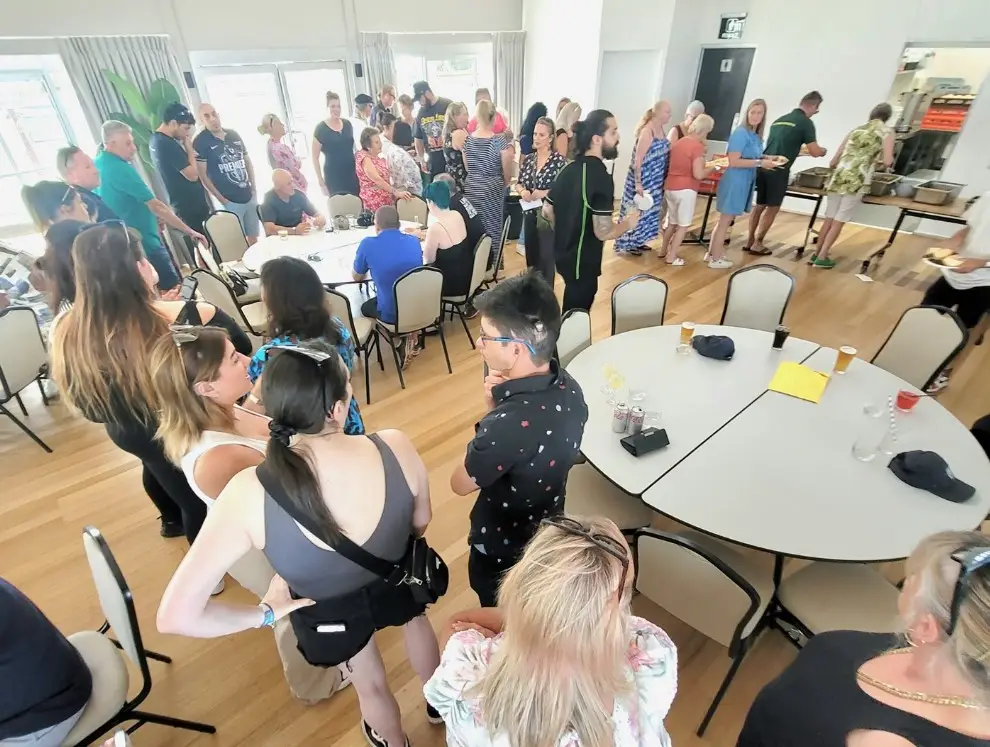
The rise of flexible multi zone rooms
Function spaces in the west increasingly favour rooms that can serve several purposes at once. Instead of building events around a central table or dance floor, hosts use:
The effect is subtle. Guests drift between zones naturally, forming groups without the host having to direct anything.
The renewed appeal of waterfront settings
Bayside suburbs in the west offer something most metropolitan venues cannot: a sense of ease. Water views create a steadying atmosphere. People take short breaks outside, often returning to the room more relaxed. Families find it easier to attend milestone events when there is somewhere safe for children to move around.
The coast also shapes timing. Late afternoons feel calmer. Evenings feel broader. Events settle into a slower rhythm that suits mixed age groups and long conversations.
The coast also shapes timing. Late afternoons feel calmer. Evenings feel broader. Events settle into a slower rhythm that suits mixed age groups and long conversations.
Why clubs are becoming central gathering spaces again
Sports clubs and community hubs have re emerged as venues of choice for significant celebrations. Their drawcard is not nostalgia. It is practicality. These venues:
Accommodate large groups without feeling crowded
Offer layouts that suit meals, speeches and informal moments
Provide easy parking for guests travelling from across the region
Sit close to familiar landmarks, walking paths and open space
Feel grounded in local identity
For people hosting birthdays, anniversaries, engagements or end of season events, the comfort of a familiar setting carries real weight.
How behaviour is shaping room design
Venues have begun designing around patterns they see repeatedly. The changes are small but noticeable.
These refinements are not showy. They simply reflect how people actually use the space.
The shift toward all day events
In the west, events tend to merge lunch, afternoon and evening rather than occupy a strict timeslot. This suits families, shift workers, club members and groups with varied commitments. Hosts often choose a structure that allows people to come and go while still feeling part of the occasion.
This pattern has encouraged venues to offer rooms that feel comfortable over several hours rather than built around a single peak moment.
This pattern has encouraged venues to offer rooms that feel comfortable over several hours rather than built around a single peak moment.
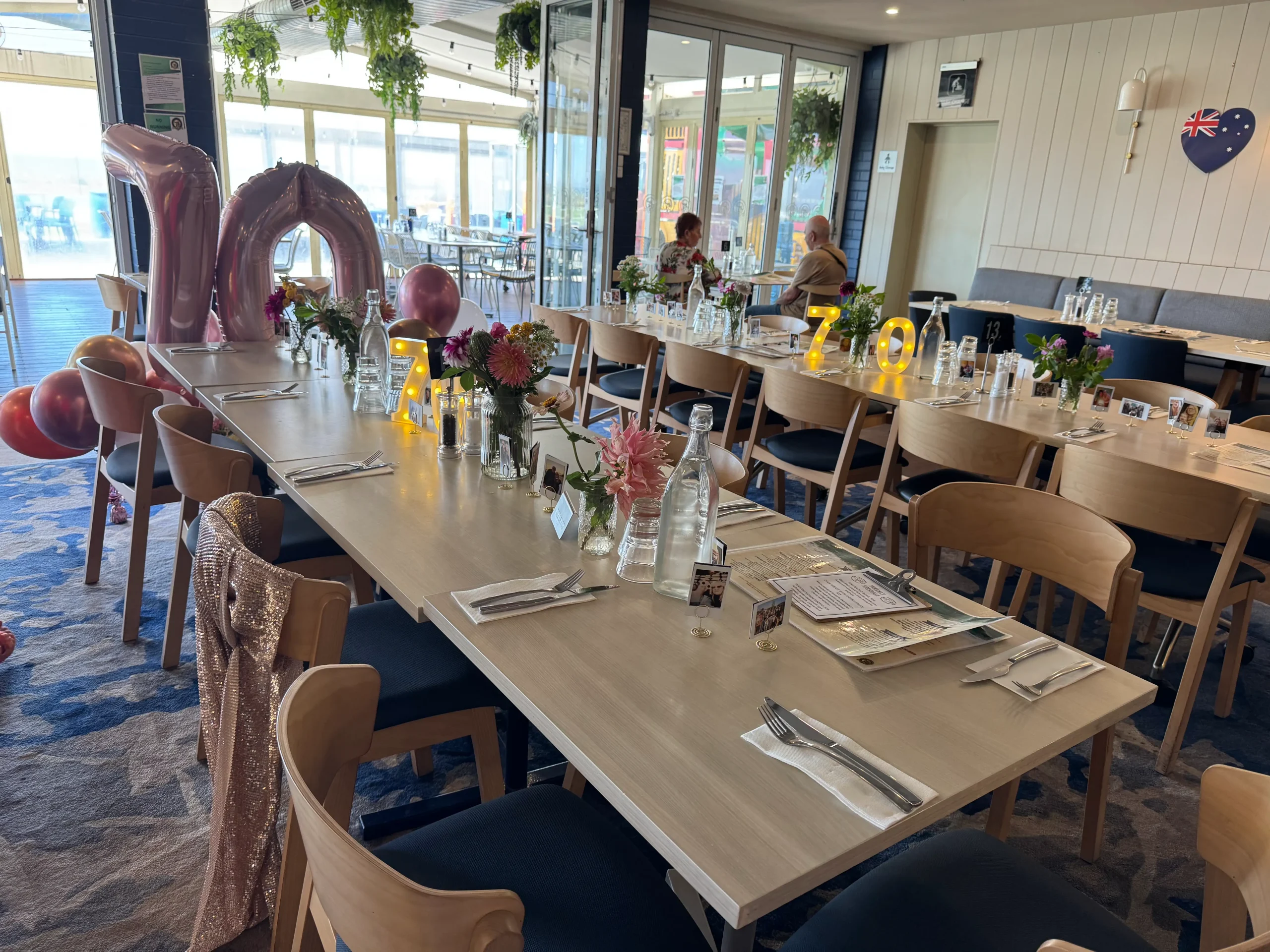
What people now look for in a function room
Search trends across Melbourne’s west show growing interest in spaces that offer:
When these elements align, guests settle into the day with ease.
Why the west is influencing the broader idea of a function room
The changes taking place across Melbourne’s west are not isolated. They reflect a broader shift in how people prefer to gather. Events are becoming more flexible. They are shaped less by formality and more by connection. Venues that read these patterns and respond with thoughtful design are defining what the modern function room now looks like.