
People step into all ages events with very different needs.
Families look for comfort and ease. Older guests lean toward steady seating and quieter corners. Young adults want room to talk without interruption. The day only comes together when these groups can settle into their own rhythms without the host having to manage every moment. In Melbourne’s west, coastal weather, weekend routines and travel distances shape how people arrive and how long they stay.
These gatherings take many forms across the region. Some are small family milestones. Others blend social, sporting or community backgrounds.
Common all ages events in Melbourne’s west
| Event type | Typical features | Why the mix of ages matters |
|---|---|---|
| Family celebrations | Birthdays, anniversaries, reunions | Guests span from toddlers to older relatives, each with different comfort needs |
| Club and team events | Break ups, season launches, award nights | Young players, parents and senior members share the room |
| Community gatherings | Fundraisers, local initiatives, social nights | Attendance grows as locals move in and out of the event |
| Work related gatherings | End of year events, staff days with families | Staff, partners and children attend together |
| Casual social events | Friends and extended networks meeting up | Age diversity shapes how the room naturally divides |
These categories highlight why hosts often feel they are planning for multiple events at once. The needs overlap quietly in the background. A layout that suits adults can feel restrictive for families. A room that feels lively to young adults may feel overwhelming to older guests. The art lies in balancing the space so each group can move comfortably without overshadowing the others.
Why all ages events work differently
An all ages event is never a single moment. It is a series of small transitions. Younger children move between excitement and rest. Teenagers drift in and out of conversations. Adults juggle socialising with supervision. Older guests usually settle early in areas where they can hear clearly and sit steadily.
Hosts who recognise these patterns tend to make better decisions about how to shape the room. They create pathways that prevent bottlenecks and seating areas that feel natural rather than staged.
Hosts who recognise these patterns tend to make better decisions about how to shape the room. They create pathways that prevent bottlenecks and seating areas that feel natural rather than staged.
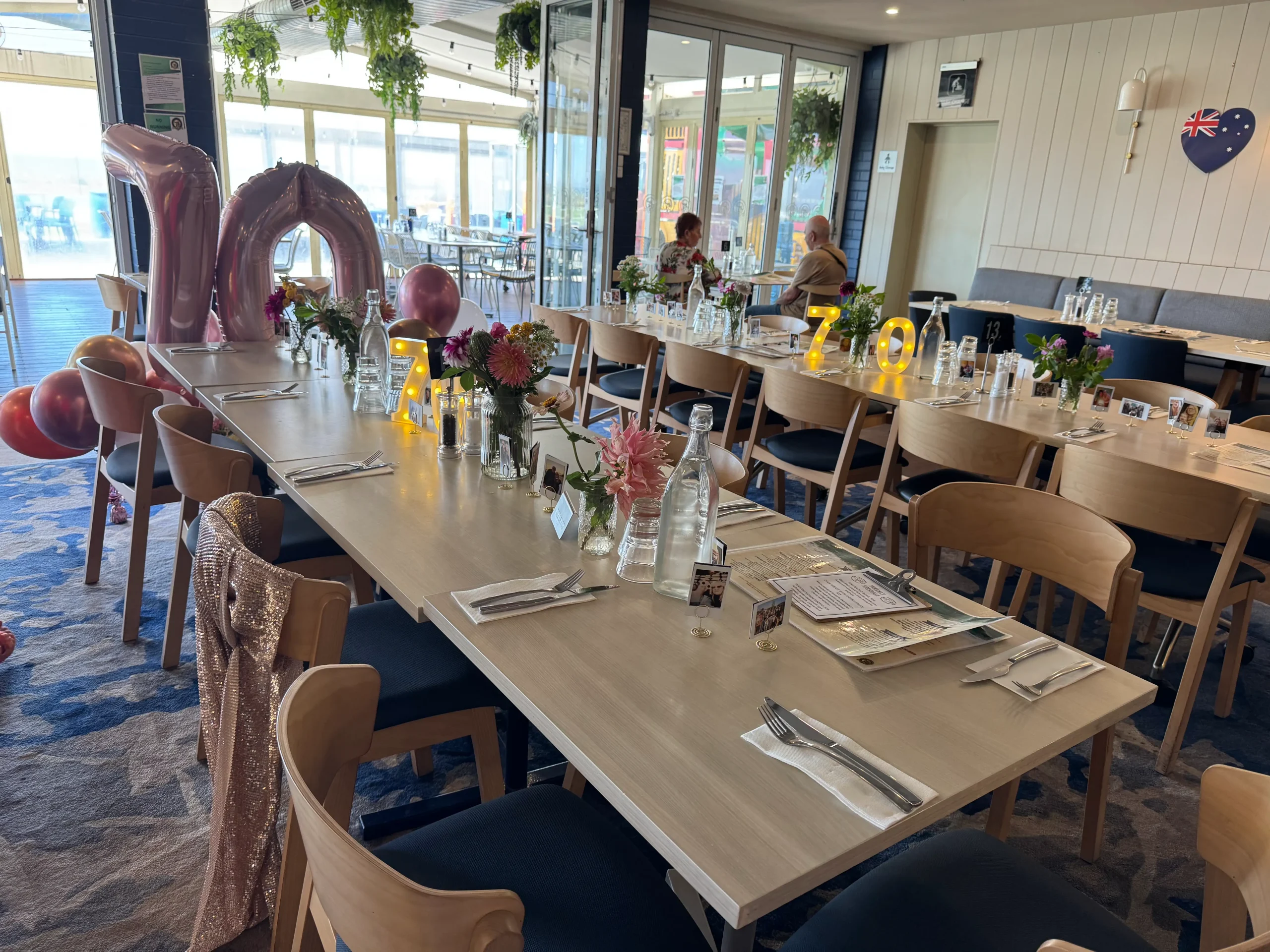
What new hosts often overlook
First time hosts usually discover that these elements matter more than decoration or theme:
These elements provide ease, which becomes the real foundation of a successful gathering.
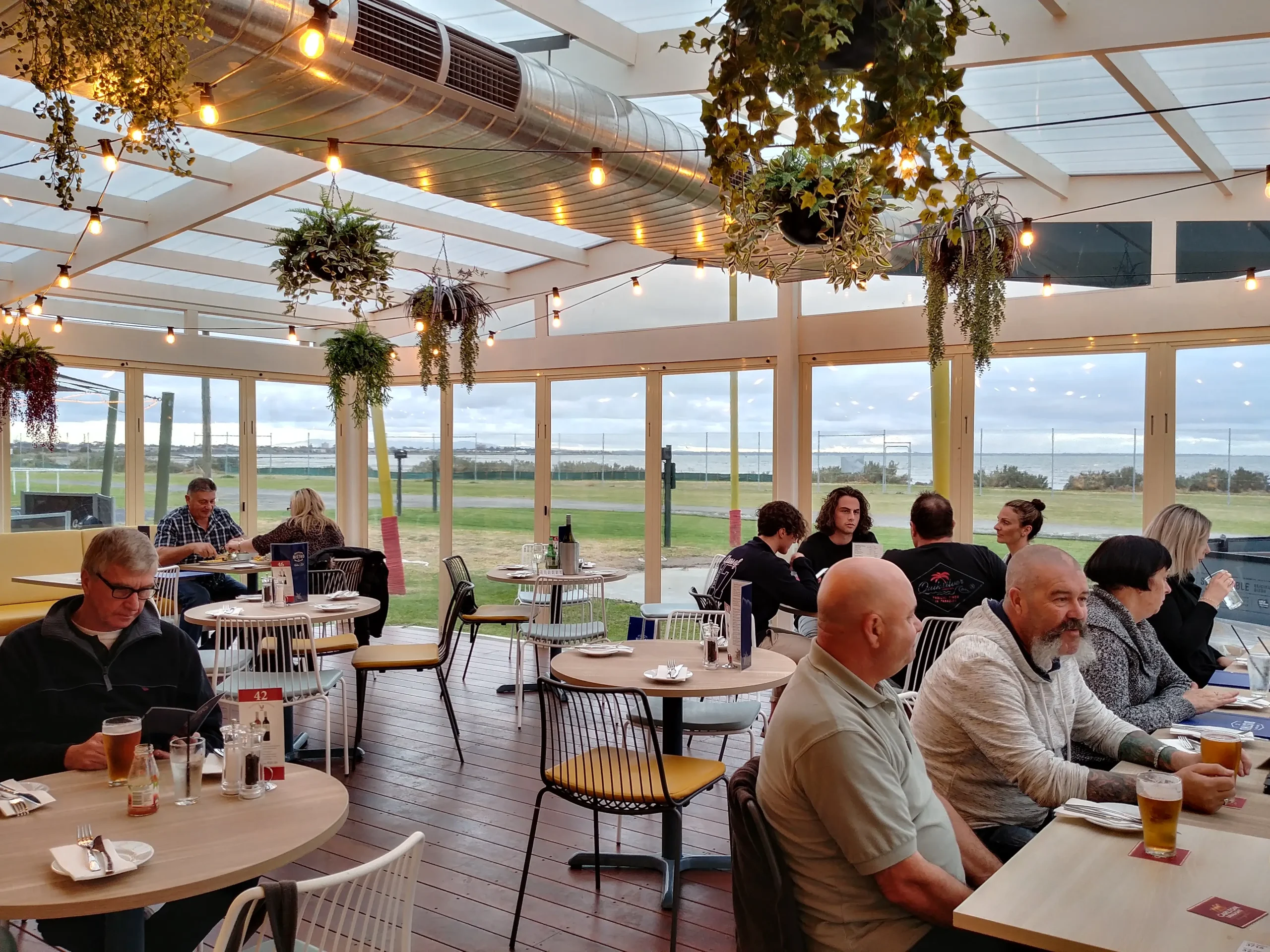
What experienced hosts tend to refine
Seasoned organisers will recognise many fundamentals but still find value in more nuanced techniques:
These adjustments are small but often determine whether the day feels effortless.
Tricks used by event professionals
Professionals shape the flow of a room long before guests arrive. Although rarely named, these techniques can make an event feel well organised without drawing attention to the planning.
Each is small on its own, but together they create a sense of calm.
Weather and timing shape the experience
In coastal suburbs like Altona, weather shifts quickly. Guests respond immediately to wind changes, glare and warmth. Events held in late afternoon often strike the best balance. Families arrive after daytime commitments, older guests avoid late finishes and teenagers remain comfortable across the transition from daylight to evening.
Outdoor access is useful for people who need breaks without leaving the event. It also helps the room feel less crowded when the guest list spans several ages.
Outdoor access is useful for people who need breaks without leaving the event. It also helps the room feel less crowded when the guest list spans several ages.
Food service that adapts to varying schedules
Weekends in Melbourne’s west often involve sport, errands and extended family visits. A single fixed dining time can make attendance difficult for many guests. Hosts who introduce flexible service windows or staggered platters usually find the event flows more naturally.
A few principles tend to work well:
A few principles tend to work well:
These decisions prevent delays and reduce pressure on the host.
Creating space that feels warm without being staged
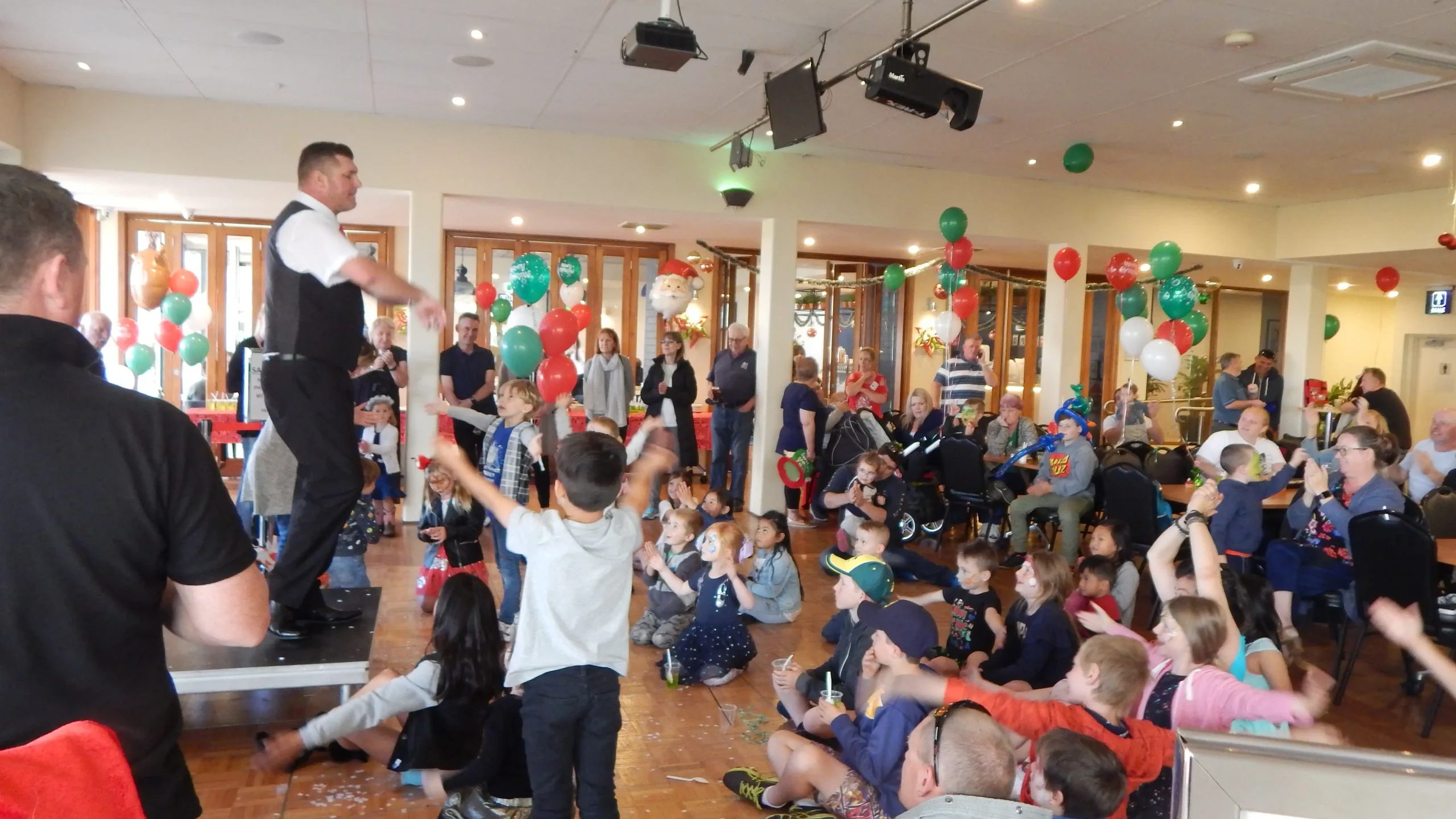
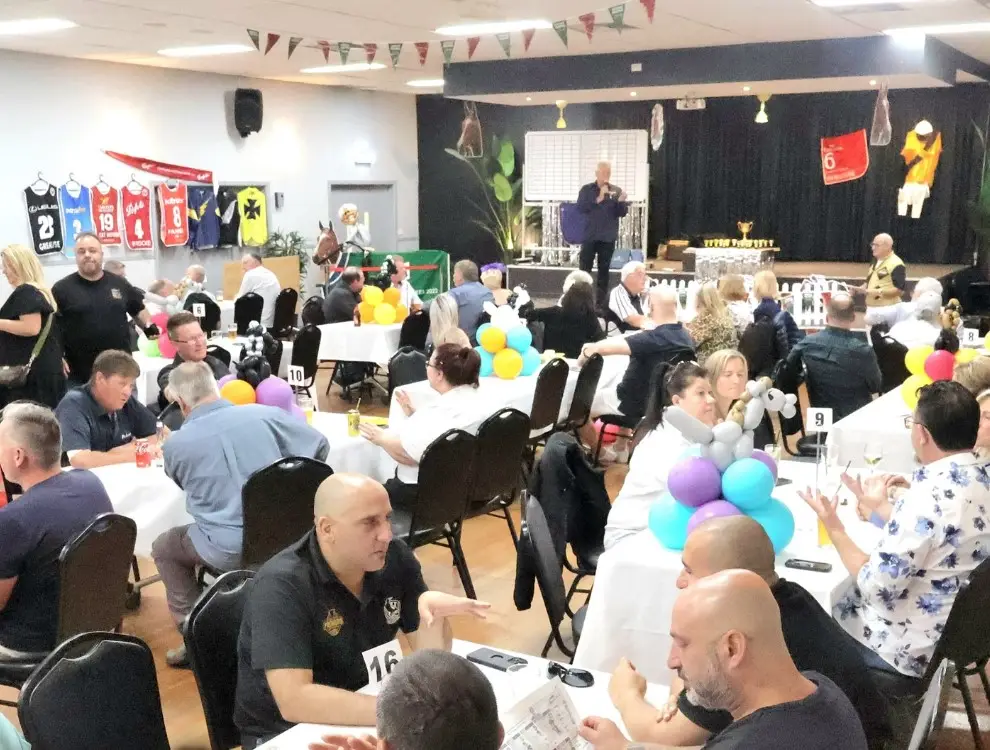
All ages events settle fastest when the venue feels open but connected. Guests look for areas where they can talk, pause, step outside or let children move without disrupting the entire room. Spaces that combine structure with ease usually stand out.
In coastal suburbs, where people are used to moving between indoors and outdoors, these transitions matter even more. A room that accommodates this behaviour feels intuitive to the local crowd.
In coastal suburbs, where people are used to moving between indoors and outdoors, these transitions matter even more. A room that accommodates this behaviour feels intuitive to the local crowd.
When a community space feels right
Many events in Melbourne’s west draw from networks built over years through sport, schools, workplaces and family circles. Guests often know the area, the parking, the travel time and the surroundings. These small consistencies reduce friction for hosts and help events feel grounded and familiar.
Bringing the day together
An all ages event does not rely on spectacle. It rests on comfort, flow and thoughtful pacing. When the environment supports each age group without calling attention to the effort, the host can step back and enjoy the occasion along with everyone else.