
Your reception is six months away. The weather app shows nothing useful that far out. The venue manager has told you not to worry, they have a plan. You’d like to believe that, and you mostly do, but somewhere in the back of your head you’re wondering what ‘a plan’ looks like when the sky opens at 3pm on the wedding day. This piece is about answering that question before the deposit goes down. Most wedding reception venues in Melbourne’s west, from Altona through to Werribee, have something they call a Plan B. Not all of them have a plan that holds up.
The Melbourne weather reality
Melbourne’s reputation for four seasons in a day is not folklore. Bureau of Meteorology long-term records show Melbourne gets rain on roughly 100 days a year, with the wettest month (October) averaging 66 mm of rain across about 10 wet days, and the driest months (February at 48 mm and 5 wet days, January at a similar total) still seeing rain on roughly one day in five. There is no truly dry month.
The bigger problem is not the average but the variability. A southerly buster in late summer can drop the temperature 12 degrees in 30 minutes and bring strong wind off Port Phillip Bay with it. A storm in spring can roll in before the radar refreshes. Couples planning an outdoor reception should plan as if rain is a real possibility on any date, then enjoy the dry weather as a bonus.
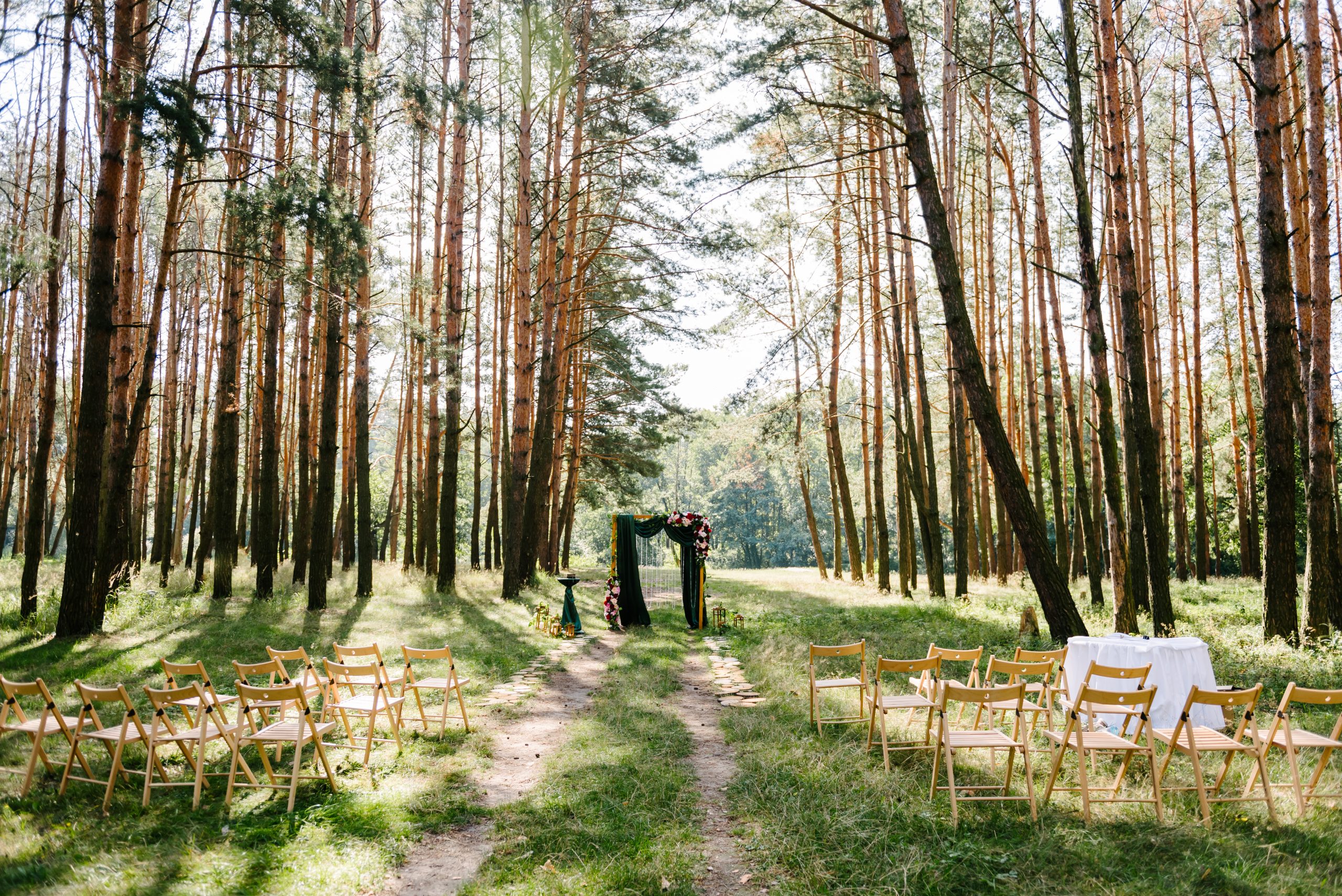
The spectrum of ‘outdoor’ venues, from most exposed to most protected
| Venue type | Handles | Fails at |
|---|---|---|
| Full outdoor (lawn, no cover) | Dry, still weather | Any rain, sustained wind, summer heat |
| Marquee | Light rain, mild wind, warm evenings | Sustained wind above 60 km/h, extreme heat without sidewalls |
| Covered alfresco or verandah | Light to moderate rain, direct sun, moderate wind | Heavy storms with sideways rain |
| Indoor with outdoor access | All weather; indoor handles the full reception independently | Nothing major – the most flexible setup |
| Fully indoor with views | All weather, view delivered through windows | The actual feel of being outside |
A few details that don’t fit neatly in the table. Most hired marquees in Australia are rated for sustained winds in the 40 to 60 km/h range, depending on size and anchoring. Wind above that and a marquee becomes a structural concern, not a stylistic one. A 60 km/h southerly off the Bay is not unusual.
And plenty of couples who think they want outdoor really want the view, the light, and the openness. Big windows onto the Bay or a garden often deliver the feeling without the weather risk.
What a real Plan B looks like at wedding reception venues in Melbourne’s west
The standard reassurance from a venue is ‘of course we have a wet weather plan’. That sentence should prompt five follow-up questions, not a signature.
Does Plan B look like a real plan or a downgrade? Walk into the alternative space. If you wouldn’t have considered the venue had this been the room you saw on the tour, Plan B isn’t a plan. It’s a face-saving exercise.
How quickly can the changeover happen? Venues with a strong Plan B can switch in under two hours because the indoor space is already set up. Venues relocating furniture, moving the bar, and repositioning the dance floor in 90 minutes while guests start arriving are running a wishful timetable.
Who decides, and when? The call on whether to go outdoor or indoor is usually made 24 to 48 hours out, when the forecast firms up. Ask who makes the call, by what time, and what happens if the forecast looks borderline at 5pm the night before and then changes at 8am on the day.
What does the indoor space look like with the outdoor element closed off? Some venues’ indoor spaces are real reception rooms in their own right. Others are corridors, lobbies, or lounges that work as breakout space but not as the main event. Look at it with the doors shut.
Does the change cost extra? It shouldn’t, and the contract should say so.
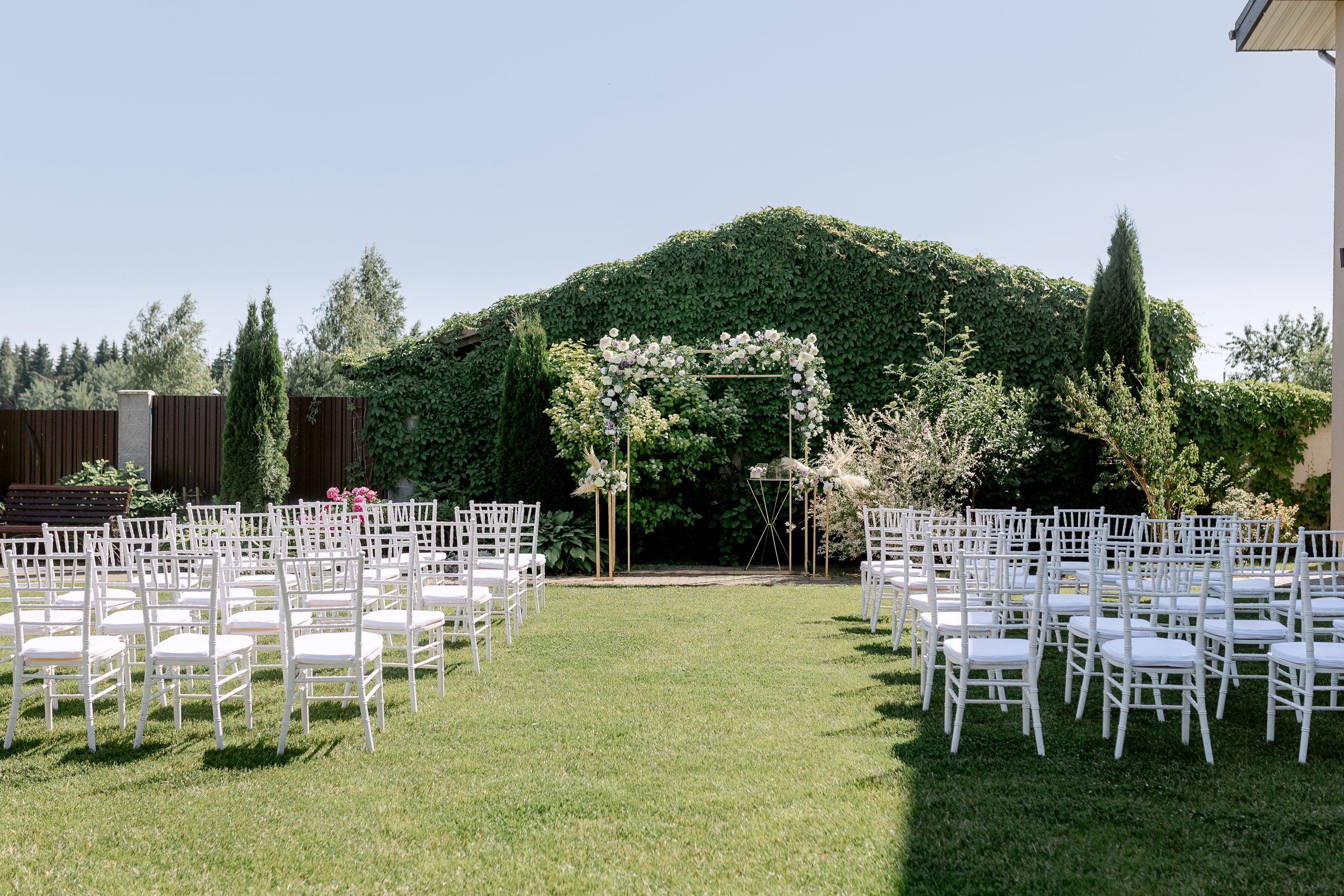
The features worth looking for
When a venue has thought through wet weather, certain features show up. Look for:
- Retractable walls or doors between the indoor space and a covered outdoor area
- An indoor room sized to handle the full guest list comfortably, not just the immediate family
- Covered decks wide enough to host guests, not just to walk through
- A clear changeover plan that doesn’t involve relocating furniture under time pressure
- For marquee plans, full sidewalls, weighted (not pegged) anchoring, and heating
A marquee that can close all four sides and heat the interior is a different proposition to a roof on legs.
The Waterfront Reception Room at Altona Sports Club is one example of how this works in practice. A recently renovated indoor reception room handles the full 30 to 150 guest range independently, opening onto a covered alfresco deck over Port Phillip Bay. The deck is structurally part of the building, so a wet weather call doesn’t trigger a furniture relocation or a setup change. It’s one approach among several across function venues in Melbourne’s west, but it shows what a real Plan B looks like when it’s built in rather than bolted on.
Seasonal considerations for outdoor wedding receptions
When you’re comparing wedding reception venues in Melbourne’s west on seasonal risk, the calendar matters as much as the venue features.
| Season | Best for | Main risk |
|---|---|---|
| Summer (Dec–Feb) | Long daylight, warm evenings, fewest rain days on average | Heatwaves above 35°C and sudden southerly busters off the Bay |
| Autumn (Mar–May) | Mild temperatures, more predictable weather, beautiful light | Cooler evenings, more rain days than summer |
| Winter (Jun–Aug) | Cool, still evenings, predictable rain patterns | Rain on roughly one day in three, short daylight |
| Spring (Sep–Nov) | Long daylight, mild temperatures, peak wedding season | Wettest months on the long-term record, fastest weather changes |
October is the wettest month on the long-term record. February is the driest by rain days but among the most heatwave-prone. A 38-degree afternoon in direct sun shuts down an outdoor reception more reliably than a shower.
Get the wet weather plan in writing
Verbal assurances don’t survive contact with the day. Anything that matters belongs in the contract. Get the following in writing:
- The timing of the call – 24 hours out, 12 hours out, or morning of
- Who makes the call – you, the coordinator, or both
- What the alternative layout looks like, with a reference to the floor plan
- Any cost attached to the change (there shouldn’t be one)
- What happens if the venue’s call differs from your preference on the day
If the venue can’t put their Plan B in writing, treat that as the answer.
Questions to ask on the venue tour
Take these to every tour. Print them, pin them to the back of your venue checklist, and ask each one out loud. The answers do the comparing.
- What does the wet weather alternative look like, and can we walk through it now?
- How long does the changeover from outdoor to indoor take, and at what point does it become impossible to switch?
- Who decides whether to move indoor, and at what time?
- What is the indoor space’s standalone capacity, with the outdoor area closed off?
- For marquee plans, what is the wind rating, and what happens if the forecast exceeds it?
- Is there a cost to changing to the wet weather plan?
- Is the wet weather plan written into the contract?
- What is the venue’s worst wet weather wedding in recent memory, and what did they do?
That last question is the most useful one. A venue with a calm, specific answer has lived through it. A venue that fumbles the answer hasn’t.
Frequently asked questions
Yes, with the right venue. A heated, covered alfresco space backed by a full indoor reception room handles winter receptions well. Daylight hours are short between June and August, so plan for an earlier ceremony or strong outdoor lighting. A still cool evening is often more pleasant than a wet windy spring afternoon.
Most hired marquees in Australia are engineered for sustained winds in the 40 to 60 km/h range, depending on size and anchoring. Above that range the structure becomes a safety concern, not just a comfort one. A 60 km/h southerly off Port Phillip Bay is not unusual in summer, so for waterfront marquee setups in Melbourne’s west, ask the supplier for the wind rating in writing.
The call on whether to go outdoor or indoor is usually made 24 to 48 hours before the wedding, when the forecast firms up. Some venues will hold the call until the morning if the forecast is borderline, but the indoor layout should already be set up by that point so the changeover takes minutes, not hours.
At a venue with a real Plan B, no. The wet weather layout uses spaces the venue already has and staff who are already working the event. If a venue quotes an additional fee for switching, treat that as a sign the plan isn’t built in. The contract should explicitly confirm there’s no extra cost.
Ask any venue you’re touring how they handle a borderline forecast. The strongest answer is that the indoor space is prepped overnight as the default and the outdoor area is set up additionally if the morning forecast clears. The indoor reception is always ready, and the outdoor element is treated as a bonus rather than an assumption.
Walk through any venue’s wet weather plan in the room, not on a floor plan. Ask the coordinator to show you the changeover, not describe it. Get the plan written into the contract before the deposit goes across. If you’d like to walk through the Waterfront Reception Room and its covered alfresco deck with one of the events team, you can request a tour through the Altona Sports Club functions page.


