
A wedding reception often looks relaxed from the outside. Guests move easily between drinks, dinner, speeches and dancing. The evening seems to unfold naturally.
Behind that flow is usually one person guiding the room: the master of ceremonies.
A confident MC can keep the night moving without drawing attention to themselves. They introduce speakers, make small announcements and help guests understand what is happening next.
When the role is unclear, the opposite can happen. Speeches run long, guests are unsure when to move or sit down, and the evening loses momentum.
The difference usually comes down to preparation. The best MCs are not improvising the entire night. They have been briefed clearly on the tone of the reception and how the couple wants the evening to feel.
Choosing the right person to be MC
Many couples ask a friend or family member to act as MC. Others prefer a professional host or an experienced celebrant.
Both options can work well. What matters most is whether the person understands the role.
A good MC is not there to dominate the room. Their job is to guide the reception and keep it moving at the right pace.
When choosing someone, it helps to look for a few qualities:
- comfortable speaking to a group
- organised and reliable
- able to read the mood of the room
- confident enough to keep things moving when needed
Confidence matters, but so does restraint. The best MCs know when to speak and when to step back.
Explain the tone you want for the night
Many couples assume their MC will instinctively understand how the reception should feel. In reality, every wedding has a different tone.
Some receptions are lively and informal. Others feel more traditional and structured. Most sit somewhere between the two.
Before the wedding, it helps to describe the kind of atmosphere you want.
For example:
- relaxed and social
- formal but warm
- lively and celebratory
- short speeches and plenty of dancing
This gives the MC a reference point for how much talking is appropriate and how quickly the night should move.
Without that guidance, even experienced speakers can misjudge the room.
Share the running order early
The MC should receive a clear version of the reception schedule well before the day of the wedding.
That schedule does not need to be overly detailed. It does need to explain the main stages of the evening.
Typical reception milestones include:
- guest arrival and drinks
- couple entrance
- dinner service
- speeches
- cake cutting
- first dance
- opening of the dance floor
When the MC understands the sequence, they can guide guests smoothly from one stage to the next.
It also gives them time to clarify any questions before the wedding day.
Help the MC manage the pace of the night
One of the most common reasons a reception feels slow is the way speeches are handled.
When several speakers are scheduled back to back, the room can lose focus quickly. Guests become restless and conversations start again before the speeches finish.
The MC plays an important role in avoiding that situation.
A helpful brief might include:
- how many people are speaking
- the order of speakers
- an approximate time limit
- where speeches sit within the meal service
The MC can then introduce speakers clearly and keep the sequence moving without awkward interruptions.
Give them the details guests will need
The MC is often the person guests look to when they are unsure what is happening.
Small pieces of information can make the evening easier for everyone.
Examples include:
- where guests should go after the ceremony
- when dinner will be served
- where the bar or outdoor areas are located
- when the couple will make their entrance
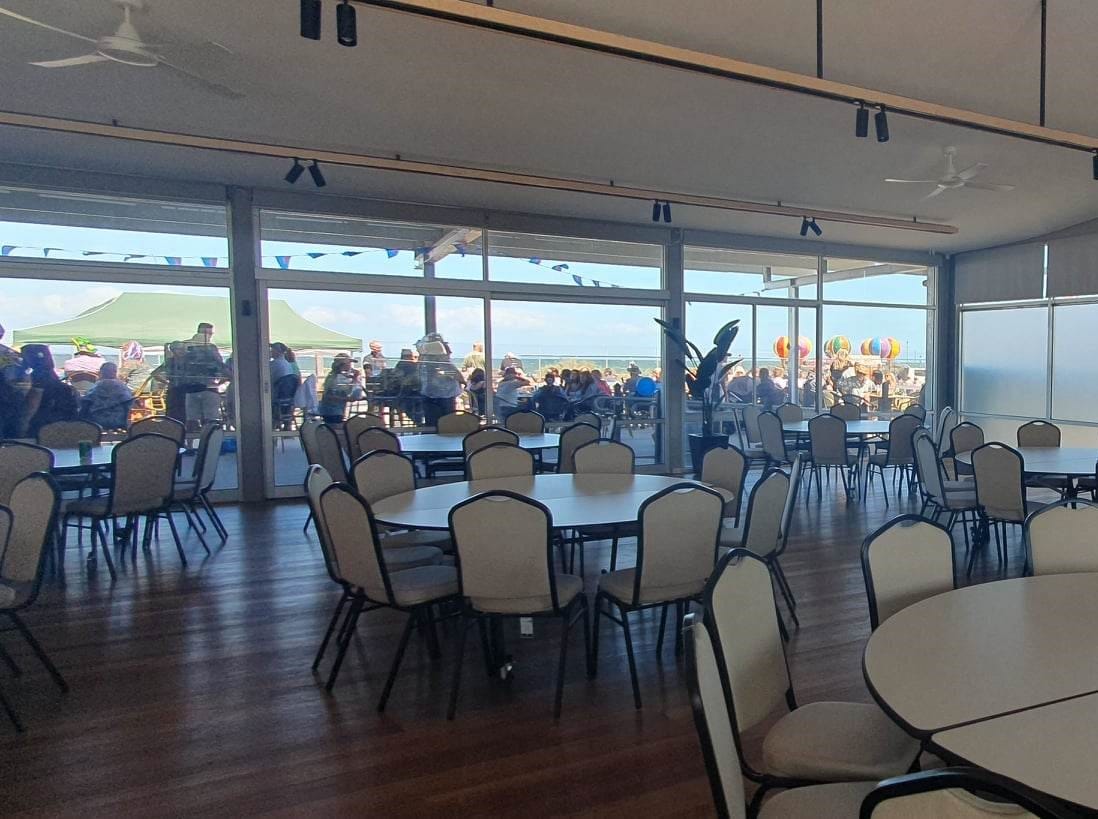
At our venue, for example, the Waterfront Room connects directly to a covered alfresco deck overlooking Port Phillip Bay. Guests often move between the main room and the deck during the evening. When the MC mentions this early, people quickly understand how the space works.
Clear announcements prevent confusion and help the reception feel organised without becoming overly formal.
Coordinate with the venue and entertainment
The MC is rarely working alone. They will usually coordinate with venue staff, a DJ or band, and sometimes a photographer or videographer.
Before the wedding, it helps to confirm practical details such as:
- microphone availability
- when music will begin or pause
- when speeches are scheduled
- any cues for special moments such as the first dance
This coordination prevents delays and keeps transitions smooth.
Rooms designed for functions make this easier because sound systems and performance space are already part of the setup. In our Waterfront Room, for example, there is space for a DJ or band and a dedicated dance floor area, which helps the MC guide the room from dining to dancing without rearranging the entire space.
Let the MC keep things moving
Once the reception begins, the MC should feel comfortable guiding the pace of the night.
This might mean:
- encouraging guests to take their seats
- introducing speakers clearly
- moving the evening on after speeches
- inviting guests to the dance floor
Couples sometimes worry that these announcements will feel too formal. In practice, they usually help guests relax because everyone understands what is happening next.
The most memorable receptions often share one quality. The evening moves forward naturally, without long pauses or uncertainty.
A well-briefed MC is often the person who makes that possible.
FAQ about planning Work Events
A good corporate function venue allows guests to arrive easily, move comfortably through the space and hear any presentations clearly. Layout, accessibility and atmosphere usually matter more than decoration.
Most corporate events work well when they run for a few hours rather than an entire evening. Enough time for conversation and food helps the event feel social without becoming tiring.
Short speeches can help acknowledge milestones or thank staff. Keeping them concise and placing them early in the event usually works best.
The format depends on the goal of the event. Cocktail-style functions often encourage conversation, while seated dinners suit more formal celebrations or client events.
Location affects attendance. Venues that are easy to reach and provide convenient parking often see better turnout than venues that require complicated travel arrangements.
Outdoor areas can make events feel more relaxed by giving guests additional space to move and talk while remaining part of the event.


