
Start with the running order
A wedding reception is easier to plan when the structure is clear from the start.
The night usually moves through several distinct phases. Guests arrive and settle in. Drinks are served. People take their seats. Dinner begins. Speeches happen. Later in the evening, music and dancing change the tone of the room again.
That sequence does not need to feel rigid. It does need to make sense.
A useful reception plan usually allows for:
- a clear arrival period
- enough time for dinner to be served properly
- speeches placed where guests will still be engaged
- a clean transition into the more relaxed part of the night
- enough flexibility for timing to shift if the day runs slightly late
This is where many reception problems begin. Not because the venue is wrong on paper, but because the event has never really been mapped as a whole evening.
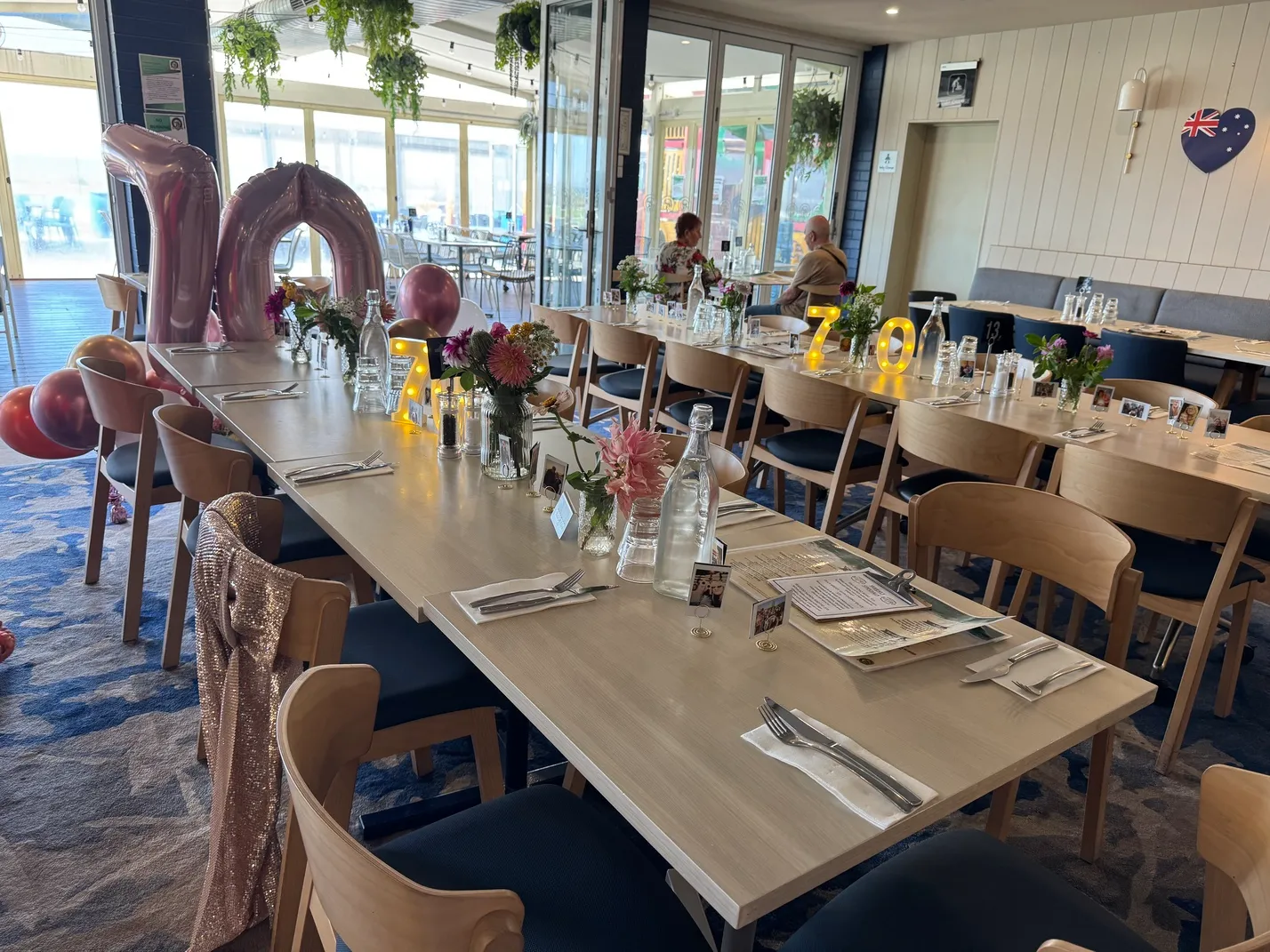
The middle of the night is where receptions often lose momentum
The hardest part of a reception to get right is often the stretch between sitting down and opening the dance floor.
This is the point where the evening can start to drag if too many formalities are stacked together. Guests have already arrived, had a drink and found their table. If dinner runs long, speeches come all at once, and nothing shifts in the room for an hour or more, the energy drops away.
A better approach is to think about pacing rather than just timing.
That usually means:
- keeping the gap between arrival and seating within reason
- avoiding a long block of speeches back-to-back
- making sure food arrives before guests get restless
- leaving some room in the run sheet for the day to run slightly late without affecting everything after it
- giving the room a clear turning point when the formal part of the night gives way to a more relaxed one
In practical terms, it often helps to:
- decide in advance who is speaking and keep the list tight
- place speeches at a point where guests are settled but still attentive
- avoid adding too many separate “moments” just because they sound nice on paper
- make sure there is a clear handover from dinner to the next stage of the evening
- ask whether each part of the schedule moves the night forward or simply holds it in place
- brief your MC well so that they are aware of the vibe and pace you want for the evening
A reception does not need to feel rushed. It does need to feel as though it is going somewhere.
The room needs to work at full capacity
A reception venue can feel very different once every chair is filled and the event is in motion.
- A room that looks spacious during an inspection may feel tight once guests are seated, staff are moving through service and people start getting up to speak, mingle or head to the bar.
- A room that is too large can feel thin once the crowd spreads out.
That is why it helps to ask not only how many guests a room can hold, but how it feels when the event is under way.
The room has to accommodate more than tables. It also needs to handle circulation, service and those in-between moments that make a reception feel social rather than static.

Layout shapes the mood of the night
Wedding receptions are social events before they are anything else. People need to move through the room without constantly breaking its flow.
That usually comes down to a few practical questions:
- Can guests move easily between tables?
- Is there a clear focal point for speeches?
- Does the room allow people to stand and talk without blocking service?
- Is there an area that can become a dance floor later in the night?
A simple planning table helps show what a reception room needs to support:
| Part of the evening | What the room needs |
|---|---|
| Arrival drinks | Space to gather without bottlenecks |
| Dinner | Comfortable table layout and clear service access |
| Speeches | Good sightlines and sound |
| After dinner | Room to stand, move and talk |
| Dancing | A defined area that does not take over too early |
Here in Melbourne at Altona Sports Club, our Waterfront Room is designed to handle these shifts in use. There is space for a dance floor, band or DJ, which means the room can move from dining to entertainment without feeling improvised.
Guests notice flow more than styling
Most guests will not remember every decorative detail a few months later. They will remember how the room felt.
- Did they know where to go when they arrived?
- Could they hear the speeches?
- Was there room to move once everyone stood up?
- Did the evening feel comfortable for older relatives as well as younger guests?
These details shape the atmosphere of the reception far more than many planning guides suggest.
This matters especially for weddings with a mixed guest list. Families, friends, colleagues and interstate visitors all use the room differently. The venue needs to support that mix rather than assume everyone will experience the evening in the same way.
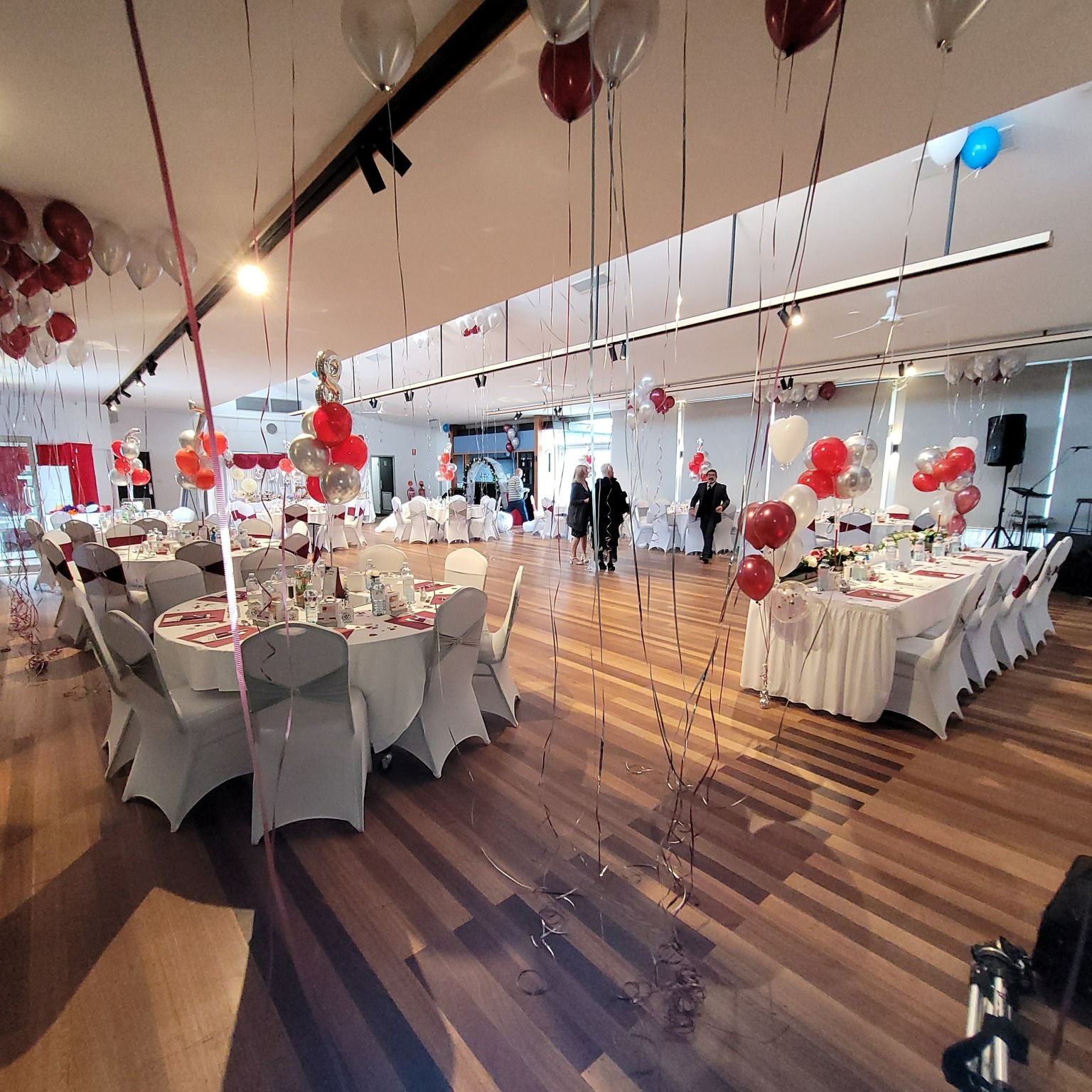
Outdoor space can help a reception breathe
A separate outdoor area gives guests somewhere to step out for a conversation, some fresh air or a quieter moment without leaving the event altogether. That becomes especially useful later in the evening, when some guests want to stay close to the music and others would rather move between spaces.
At our venue, the Waterfront Room opens onto a covered alfresco deck with views across Port Phillip Bay. The value of that space is not only visual. It helps the reception feel less compressed and gives the night more room to move.
This can be particularly useful for weddings that include different generations of guests or a long evening reception.
Sound is not a small detail
Bad sound can change the tone of a wedding reception very quickly.
If speeches cannot be heard properly, guests lose focus. If music is too loud too early, conversation becomes difficult. If the room has no clear place for microphones or entertainment, the evening can feel awkward at the exact point where it should be opening up.
Sound works best when it is considered as part of the room, not as an afterthought.
That includes:
- where speakers will stand
- whether guests can see them easily
- how music fits into the room later in the evening
- whether the venue can comfortably support a DJ, band or dance floor setup
These are small practical points, but they affect how settled the whole reception feels.
Access still shapes the experience
Wedding planning often leans toward what will look good in the room. Guests experience the event from much earlier than that.
Travel time, parking and ease of arrival all shape the start of the evening. If guests are stressed before they even walk in, the reception begins on the wrong note.
For receptions drawing people from across Melbourne, parking can make a real difference. At Altona Sports Club, we have more than 100 car spaces on site, which removes one of the more common friction points for guests travelling in from different parts of the city.
That may not be the most glamorous part of a wedding reception, but it is part of what makes a night run smoothly.

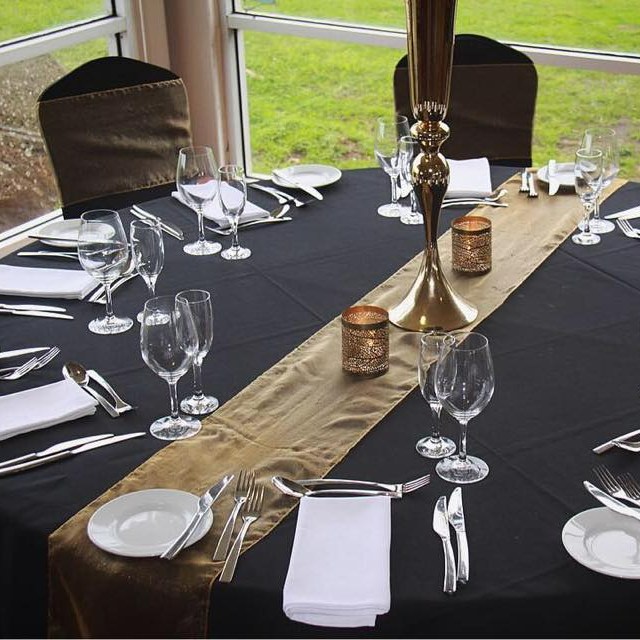
The best reception venues support the wedding rather than compete with it
A reception venue does not need to dominate the night. It needs to carry it well.
That means helping guests arrive comfortably, making speeches easy to follow, allowing the room to change pace through the evening, and giving people enough space to enjoy the event without feeling crowded or disconnected.
For couples comparing wedding reception venues in Melbourne’s west, those practical details are often more useful than broad promises or polished marketing language. The question is not only whether a room looks good in isolation. It is whether it will support the full shape of the evening from start to finish.
FAQ about making your wedding reception run smoothly
A smooth reception usually comes down to structure, timing and room suitability. Guests need to know where to go, speeches need to happen at the right point in the evening, and the room needs to handle dining, movement and dancing without feeling strained.
That depends on the broader wedding timeline, but most receptions work best when the evening has a clear sequence and does not stretch so long that guests lose energy. The exact timing matters less than whether the night keeps moving.
Speeches often work best once guests are settled and service is well under way, but before the room begins to lose focus. If speeches are too late, people tend to become distracted. If there are several speakers, keeping them concise usually helps the night hold its shape.
Layout affects everything from service and guest comfort to sound and movement. A room may look appealing when empty and still perform poorly once it is full. Good layout helps guests see, hear and move easily through the evening.
It can be. An adjoining outdoor area gives guests somewhere to step aside without disconnecting from the event. It can also make a room feel less crowded, particularly during longer evening receptions.
It helps to ask how the room handles speeches, guest movement, music, dining transitions, outdoor access, parking and entertainment setup. Capacity matters, but so does how the room feels when the event is actually in progress.
Not in every case, but it can make a significant difference for guest comfort, especially when people are travelling from across Melbourne or arriving in family groups. Easy parking can remove stress at the start and end of the night.


